How DDNZ works

One brief. Six accountable checkpoints from supplier search to export handoff.

An order does not move forward simply because a supplier says it is ready. Each stage has a defined input, a responsible action, a recorded output and a release decision.

Real field material · China origin

Buyer and product discussion

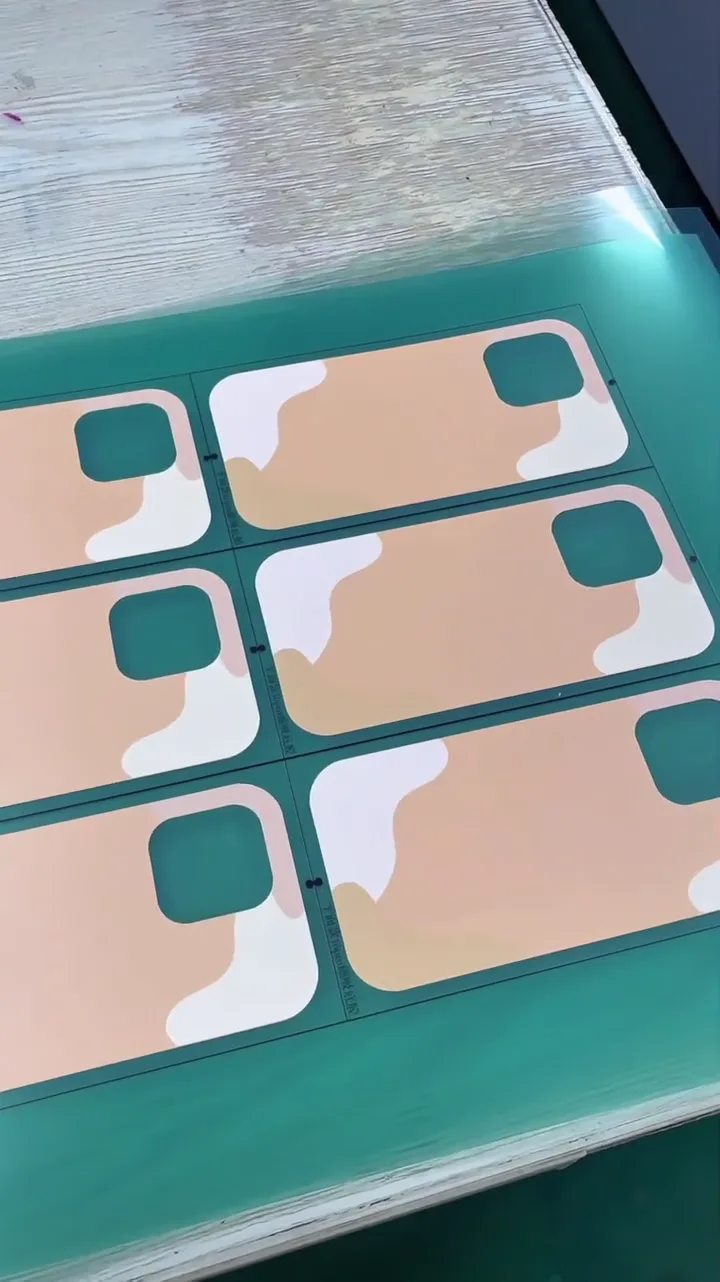
Mobile accessories
Mobile accessories
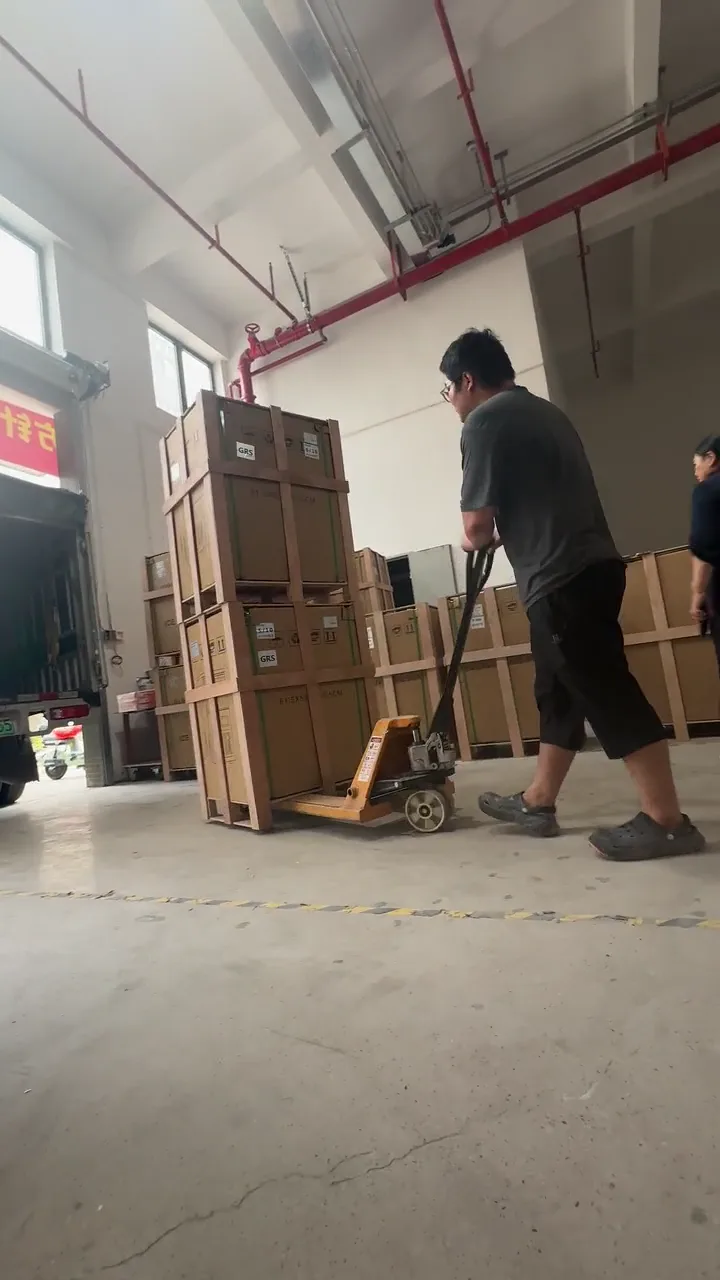
Wooden-crated cargo being moved by pallet jack for loading preparation in China
Loading preparation
  • One accountable China-origin team
  • Evidence recorded before release
  • Sourcing and freight roles kept clear

The control path

A process built around decisions, not status updates.

The exact checks change by product and destination. The responsibility pattern stays consistent: define, compare, approve, follow, verify and reconcile.

  1. 01Define the buying brief
  2. 02Search and normalize supplier offers
  3. 03Approve samples and specifications
  4. 04Follow production against the approved basis
  5. 05Collect QC evidence at the agreed scope
  6. 06Reconcile cargo and export handoff
  1. 01

    Define the buying brief

    Clarify product use, destination market, reference model, specification, quantity, budget and timing. Missing information stays visible instead of being guessed.

    Recorded output
    Agreed brief, comparison basis and open questions.
    Release gate
    The buyer confirms what suppliers will be compared against.
  2. 02

    Search and normalize supplier offers

    Identify candidate manufacturers, check basic identity and product fit, then align models, materials, included parts, terms and pack-out before comparing price.

    Recorded output
    Comparable supplier matrix with evidence gaps and next checks.
    Release gate
    The buyer selects sample, audit or negotiation priorities.

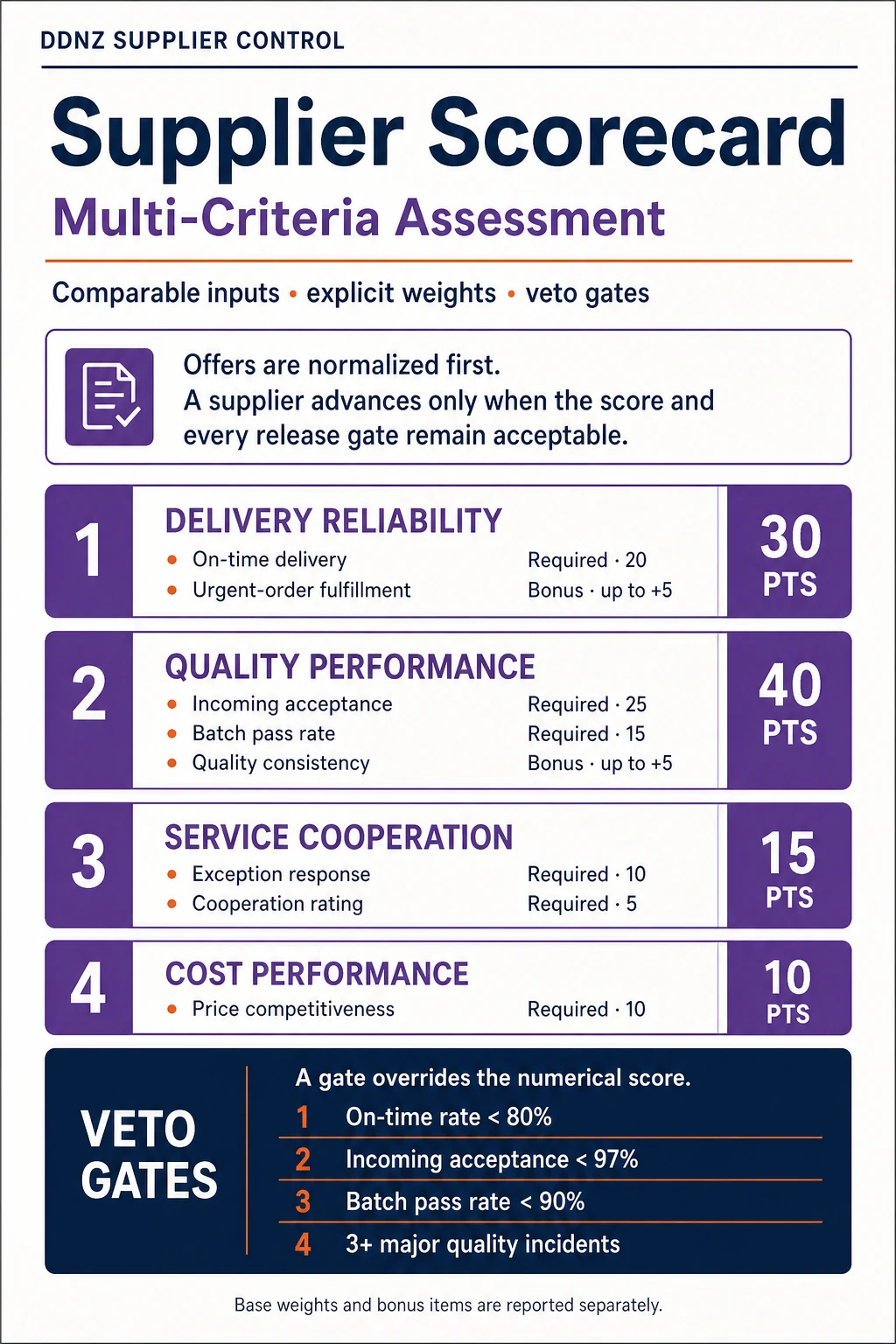
    Operational evidence

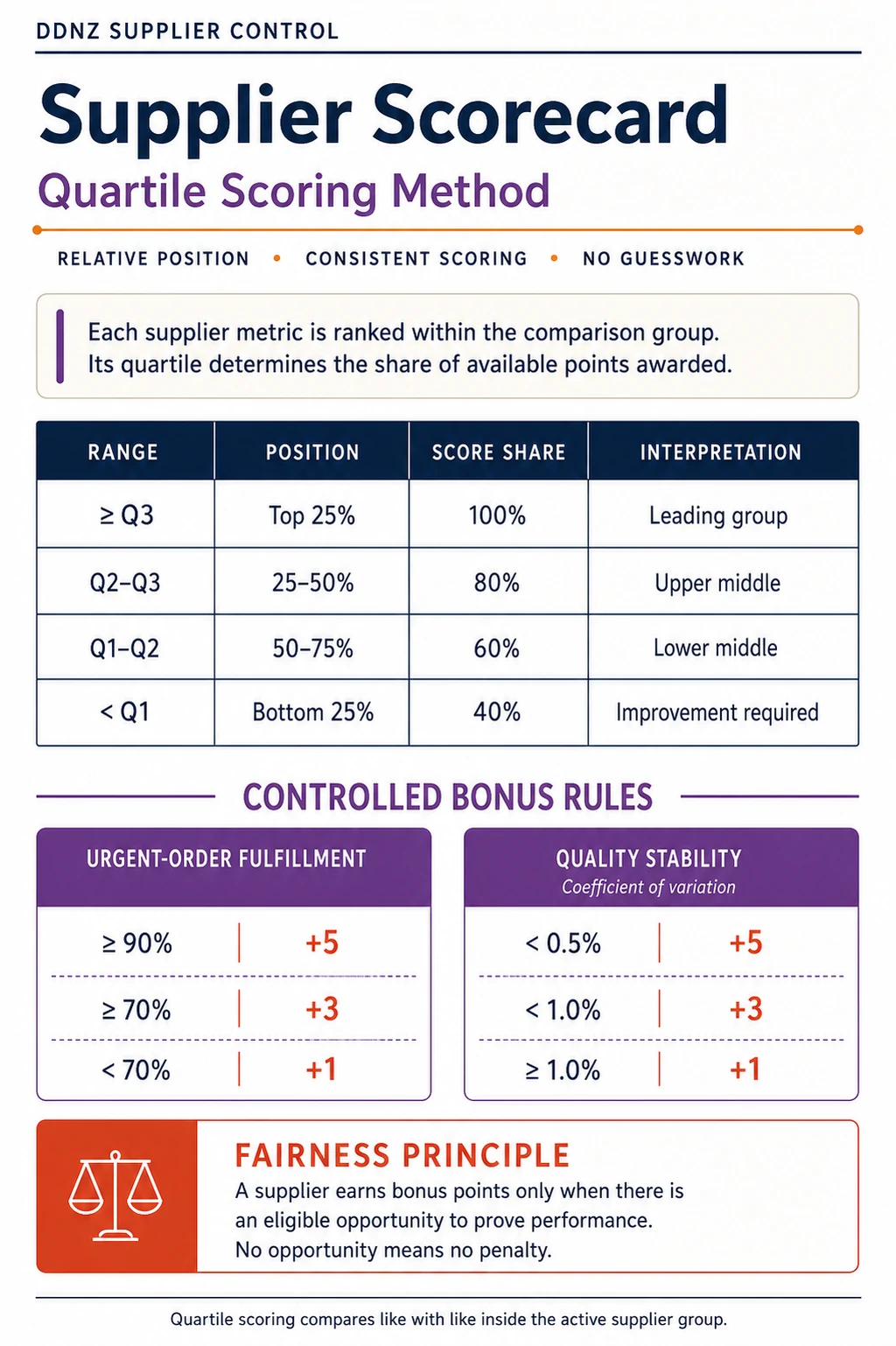
    One scoring method, applied before a shortlist moves forward.

    Offers are normalized first, then reviewed across delivery, quality, service and cost. Veto thresholds prevent a low price from hiding repeated delivery or quality failures.

    Publication-ready method sheets · Weights and veto gates retained

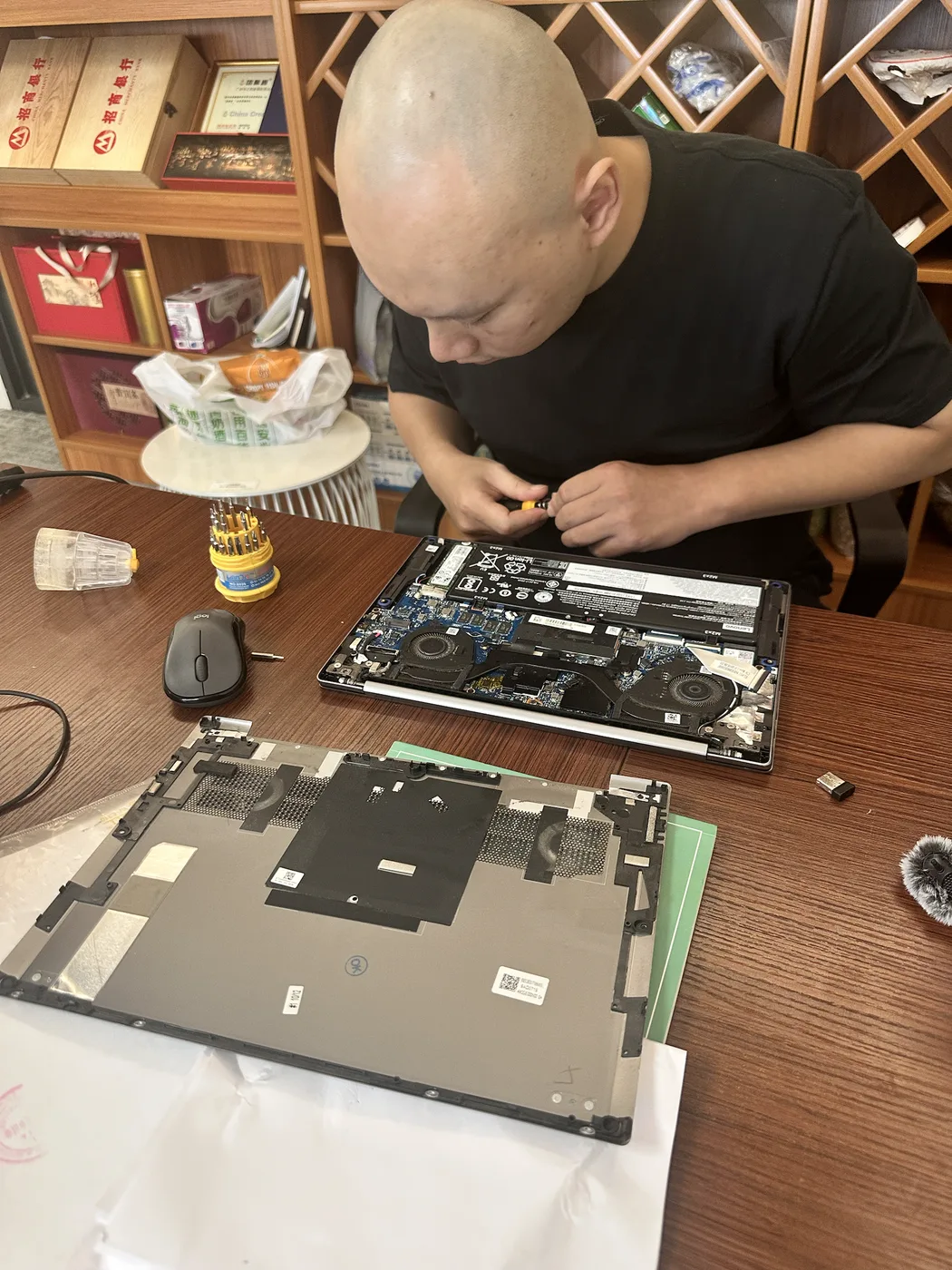
  3. Technician opening an electronic device for a hands-on model and component check

    Real field material · China origin

    Hands-on model check

    03

    Approve samples and specifications

    Tie the chosen sample to the model, configuration, components, artwork, accessories and measurable requirements that will govern production and inspection.

    Recorded output
    Approved sample or specification record with unresolved items.
    Release gate
    The sellable configuration is confirmed before production proceeds.
  4. Real field material · China origin

    Commercial-kitchen production follow-up

    04

    Follow production against the approved basis

    Track the supplier’s production status and visible exceptions against the agreed model and schedule. A factory visit records progress; it does not replace a formal inspection.

    Recorded output
    Production status, observed deviations and corrective follow-up.
    Release gate
    Open discrepancies are resolved or accepted before final checks.
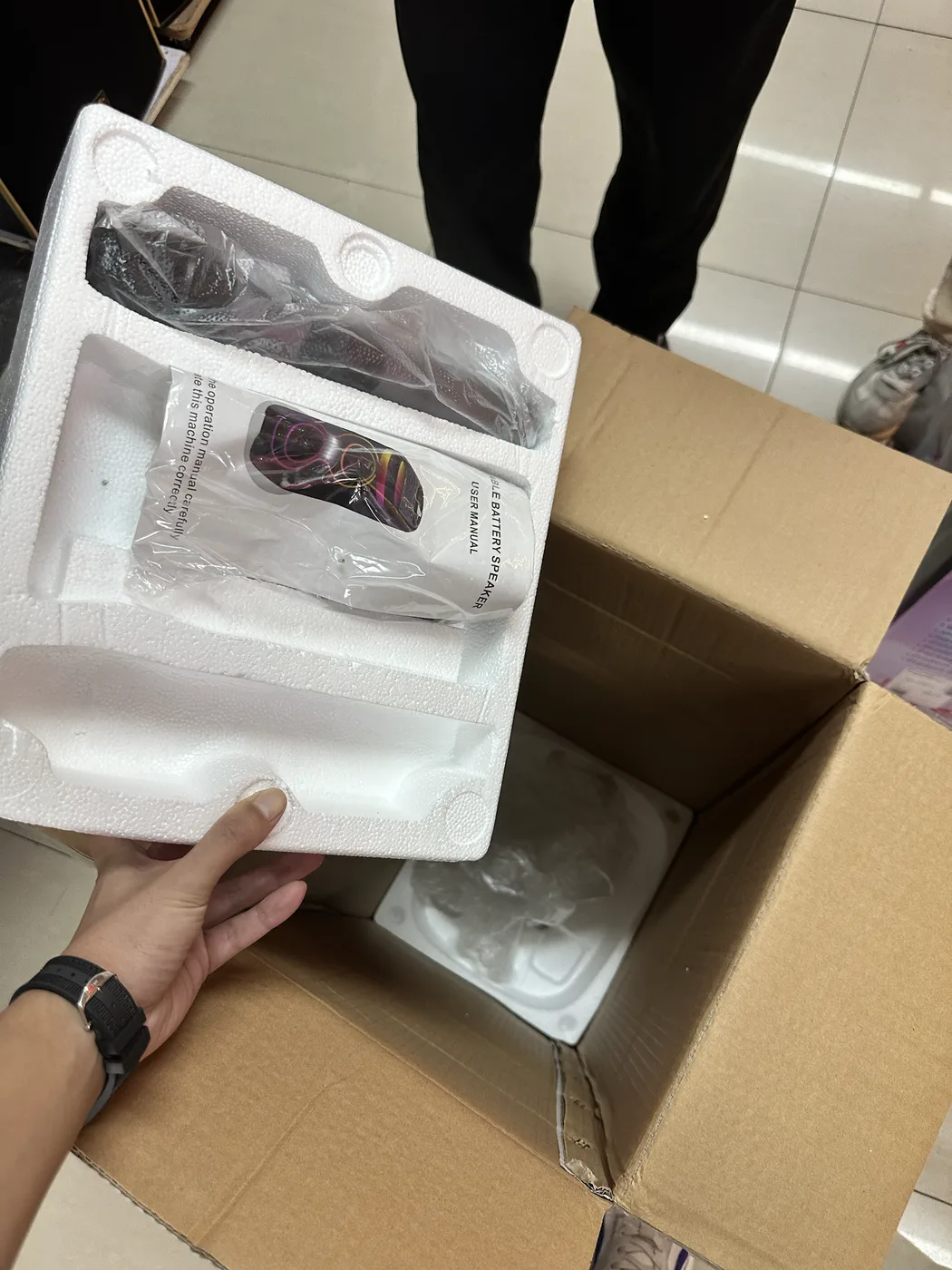
  5. Speaker package opened to verify the product, manual, accessories and protective packing

    Real field material · China origin

    Visible pack-out check

    05

    Collect QC evidence at the agreed scope

    Coordinate the defined quantity, model, function, labels, accessories and packing checks. Findings remain tied to photos, checklist items and reported exceptions.

    Recorded output
    Traceable inspection evidence and exception list.
    Release gate
    The buyer accepts the result or requests corrective action.
  6. Real field material · China origin

    Loading preparation

    06

    Reconcile cargo and export handoff

    Match released orders, cartons, quantities, packing records and the confirmed shipping scope before cargo is handed over for booking, loading and export execution.

    Recorded output
    Consolidation record and defined freight handoff.
    Release gate
    Only the approved cargo scope is released to freight execution.

    Operational evidence

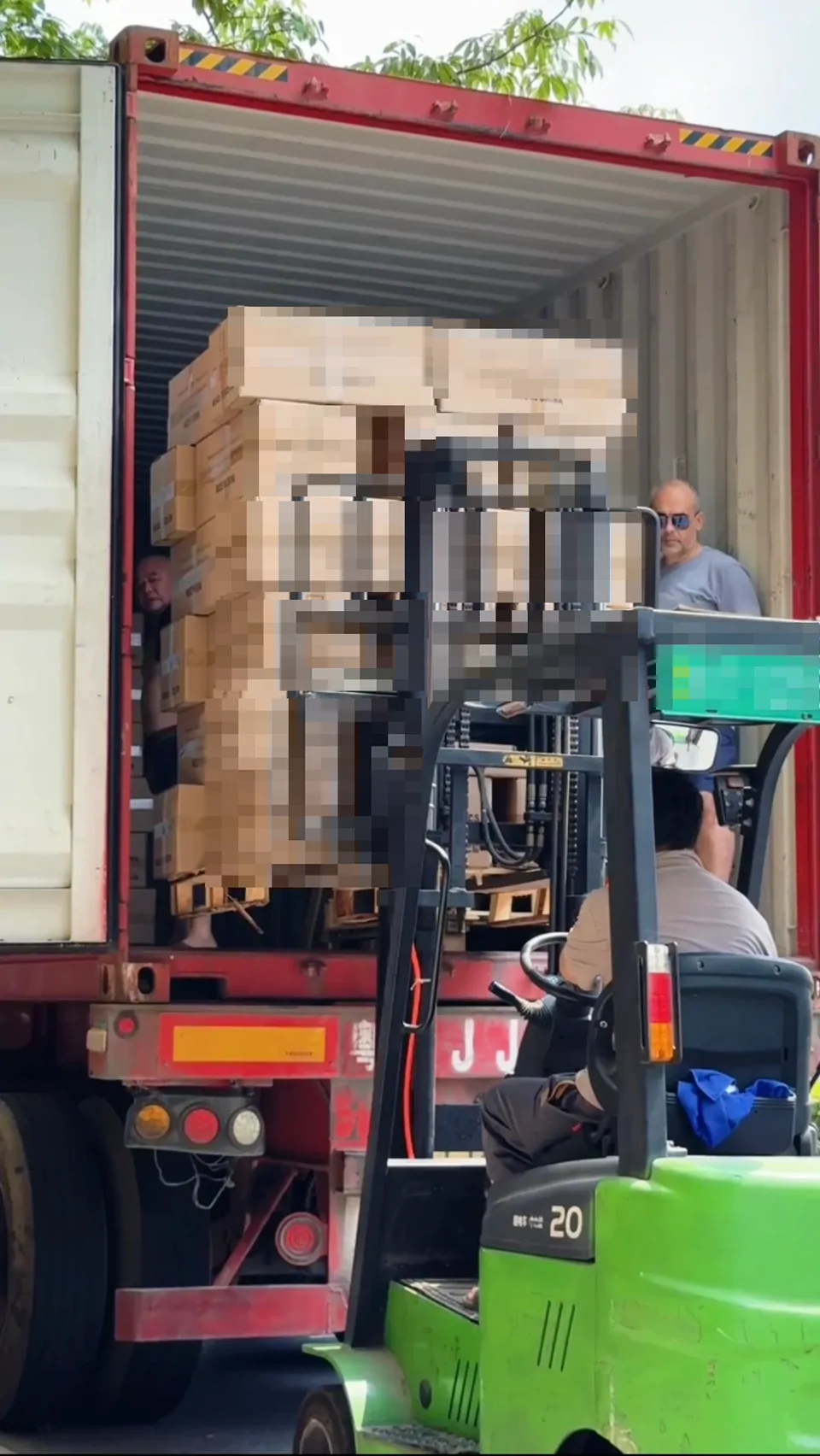
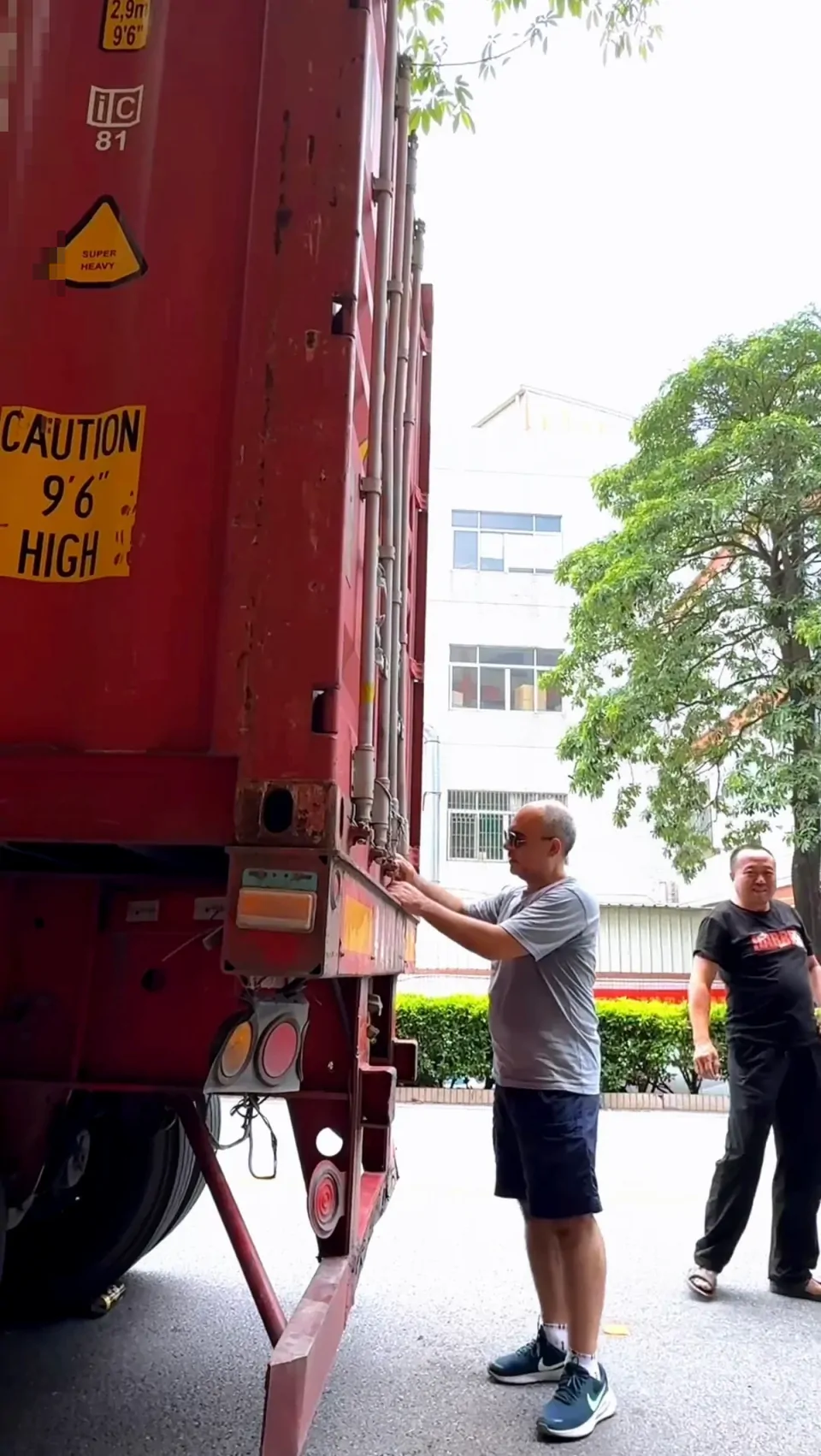
    Released cartons move through a visible export handoff.

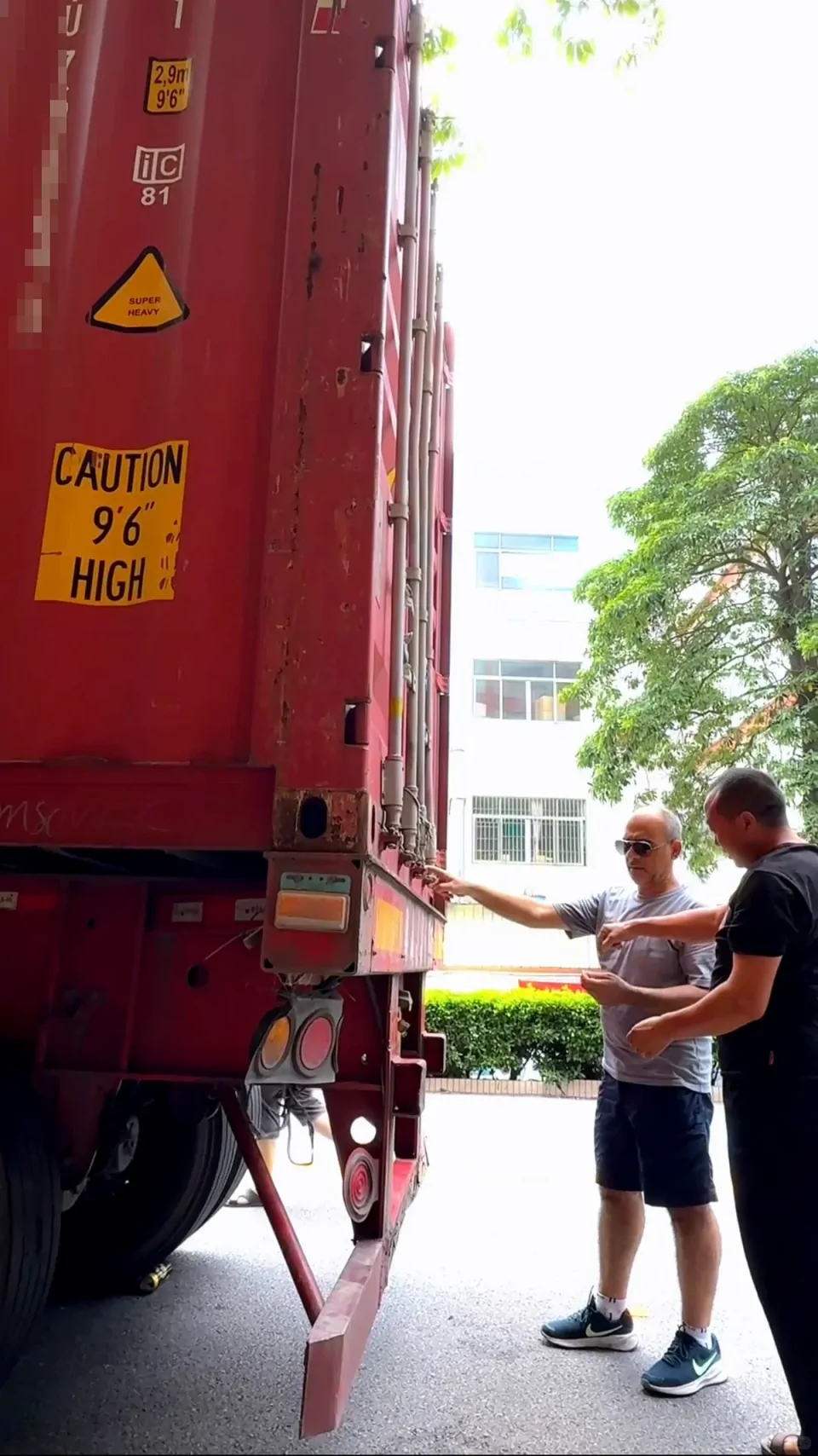
    These field records show loading and door-area checks for a mobile-accessories order. They support what happened at origin without turning a loading photo into a customs or delivery claim.

    Container-closing preparation
    Container-closing preparation
    Cartons moved into the container
    Cartons moved into the container
    Door and seal-area oversight
    Door and seal-area oversight

    Vehicle and carton identifiers redacted · People and field conditions retained

Mobile accessories · Real field material · China origin

Same control logic · different products

The workflow follows the product, not a generic template.

Commercial kitchen equipment, audio and mobile accessories require different specifications and checks. DDNZ keeps the same ownership structure while changing the evidence plan for the product and market.

Commercial kitchen
Model, capacity, utilities, materials, accessories, data plate and packing.
Audio & speakers
Configuration, functions, battery, microphones, accessories, labels and pack-out.
Mobile accessories
SKU, compatibility, connector, output claims, artwork, barcode and mixed-carton control.

Clear boundaries

What the checkpoints do—and do not—prove.

  • A supplier shortlist is not a completed factory audit.
  • A production visit is not an inspection report unless the scope and results are recorded.
  • DDNZ coordinates sourcing and trade-support records; Heaven Born executes international freight when it is included in the confirmed scope.

Start with the product, destination and order stage.

Send what you already know. The first review identifies missing specifications, the right control path and the evidence needed before the order moves forward.

Start a sourcing brief

Decisions before the next handoff.

When should I approve the sample and specifications?

Use the supplier comparison to select a sample or configuration for review. Record the agreed model, materials, accessories, packing and acceptance checks before production proceeds against that approval. An attractive quotation alone is not a release decision.

Review supplier selection and samples →

What happens if a pre-shipment inspection finds differences?

Keep the findings tied to the order and agreed checklist. Record the discrepancy, supporting evidence and proposed correction, then obtain the buyer’s decision before release. A report records the condition checked; it does not make unresolved exceptions disappear.

Understand inspection outputs and limits →

How are several supplier orders handed over for international shipping?

Reconcile order quantities with received cartons, packing lists, marks, dimensions and weights. Identify incomplete or held items, confirm which goods are released and pass the agreed cargo and document scope to the freight operator.

Follow the consolidation and export handoff →

What if I only need shipping from China?

Start with cargo description, supplier pickup point, package count, final dimensions and weight, destination and ready date. The freight team can review transport and delivery scope without requiring a new sourcing project.

Compare sea-freight planning requirements →