China → Tema
FCL / LCL
Ask for the Chinese departure port, any transshipment and the discharge terminal. For LCL, include unpacking and collection charges.
China → Ghana
Plan your shipment around the actual goods, packing list and agreed handover. Used clothing, bags and shoes illustrate the preparation needed before a booking.
Request a freight quote ↗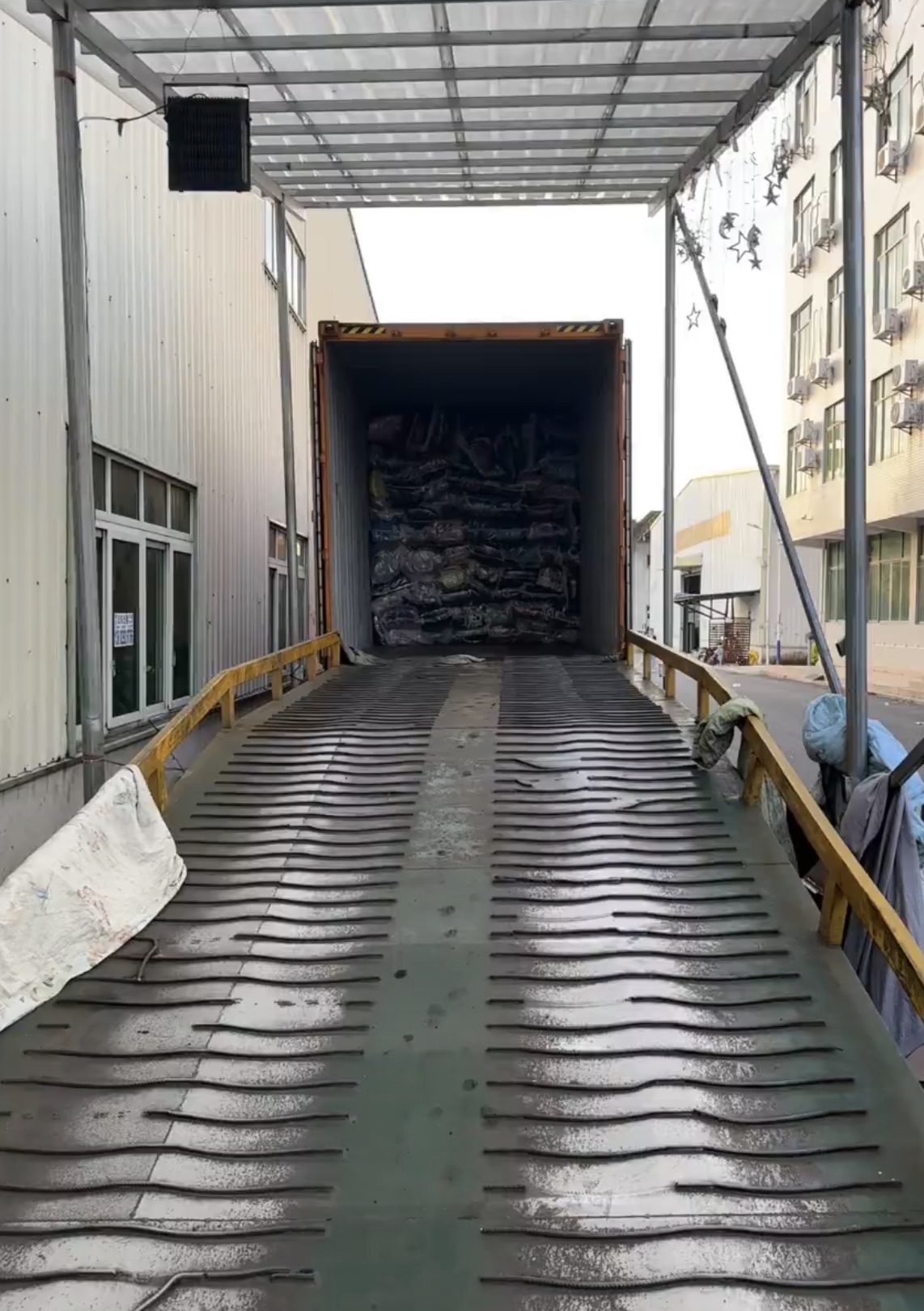
Compare the ranges for the route shown, then confirm the departure date and handover point for your shipment.
| Mode & route | Planning range | What to compare | Ask about this option |
|---|---|---|---|
| Ocean FCLChina → Tema / Takoradi | 35–42 days | Ocean-leg range from existing records; collection, clearance and inland delivery are separate. | Ask about this option · Ocean FCL ↗ |
| Ocean LCLChina → Tema / Takoradi | 35–45 days | LCL route reference; cutoff, consolidation and cargo release affect the full receiving timeline. | Ask about this option · Ocean LCL ↗ |
| Air freightChina → ACC | 3–7 days | Air-route reference; confirm connections, airport handling, clearance and final-delivery scope. | Ask about this option · Air freight ↗ |
Allow for supplier readiness, collection, waiting for departure, clearance and final delivery according to the clock shown. A port or station arrival is not delivery to the receiving address.
FCL record ranges summarise populated Q4 2026 transit-day fields across different origins and services; they are not averages. Other ranges are published route references or existing regional planning ranges, not confirmed HB departures or delivery guarantees.
ROUTES & TRANSIT TIME
Compare the complete handover, using the same cargo list and receiving address.
FCL / LCL
Ask for the Chinese departure port, any transshipment and the discharge terminal. For LCL, include unpacking and collection charges.
Road delivery
Quote the actual address. Agree truck access, unloading, appointments and who pays waiting or storage charges.
Air quotation
Separate samples from bulk stock. Compare chargeable weight, flight availability and airport release before arranging local delivery.
Confirm the schedule, release point and delivery scope with the quotation. No fixed door-delivery time is assumed.
Keep category, condition, packing and quantities separate. Have the importer confirm acceptance before loading; a sea quotation does not establish import eligibility.
Send supplier locations, ready dates, bale or carton dimensions, gross weights and the importer’s contact. Identify batteries and mixed categories.
Start with sorting: a clear description of the clothing, shoes and bags helps the Ghana importer check the exact category before loading.
We have shipped used clothing, shoes and bags to this destination. These photographs and videos show sorting, packing and loading preparation in China.
Separate clothing, footwear and bags in the goods description. Agree the grade, condition, quantities and bale identification with the buyer, then match the packing list to the actual goods.
Silent footage with explanatory captions. Sorting and loading operations in China.
The historical loading example is 352 bales in a 45HC, with a gross weight of 80 kg per bale and 28 metric tonnes (MT) of cargo, including packaging.
Historical shipment reference for clothing and shoes; confirm packing details for bags separately. The 28 MT excludes the container tare. Actual loading depends on the packing list, container payload and transport conditions; it is not a guaranteed capacity on every route.
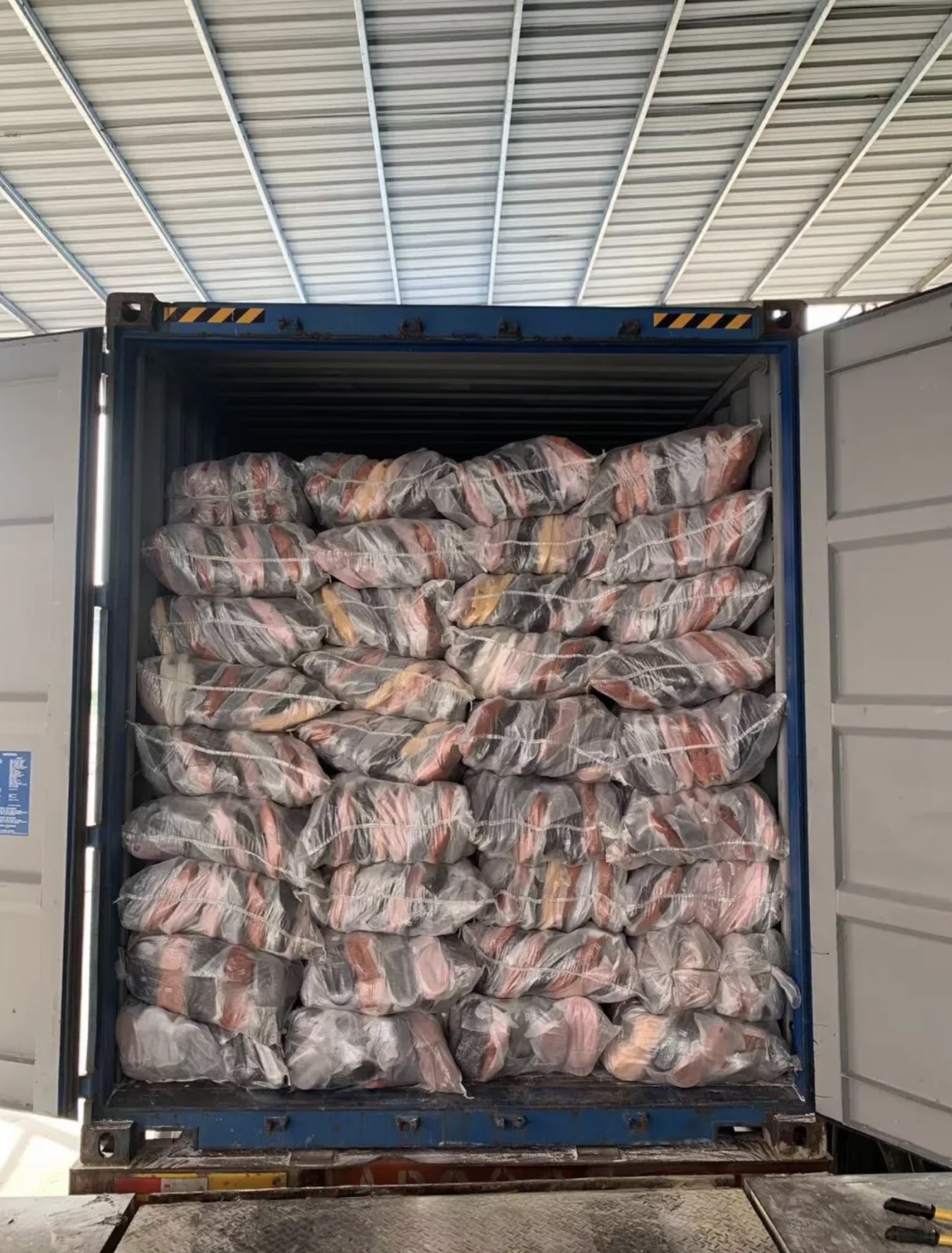
Sorting and loading operations in China.
View full image ↗Exclude prohibited used items and confirm GSA inspection and importer requirements before loading.
Before collection, identify the importer and customs clearance contact, check the precise product category and agree who arranges destination handling and unloading. Historical shipments do not establish current import eligibility.

Official links identify the relevant authority and information source, not a partnership or endorsement.
Major ports for reference. Confirm the actual receiving port before booking.
Send the goods categories, bale count, gross weights, dimensions, supplier city, cargo-ready date, destination city and requested handover. If a detail is unknown, say so; the historical example is not a preset shipment quantity.
No. Describe and list each category separately. The 80 kg example is confirmed for clothing and shoes; confirm bags independently.
It is the gross weight including packaging. The 28 MT also includes packaging but excludes the container itself.
352 bales is the recorded quantity for this historical example, not a fixed capacity. Confirm the actual bale sizes, weights and permissible load before booking.
Agree whether the quotation ends at the port, warehouse or delivery address, and identify clearance, destination charges and unloading responsibilities.