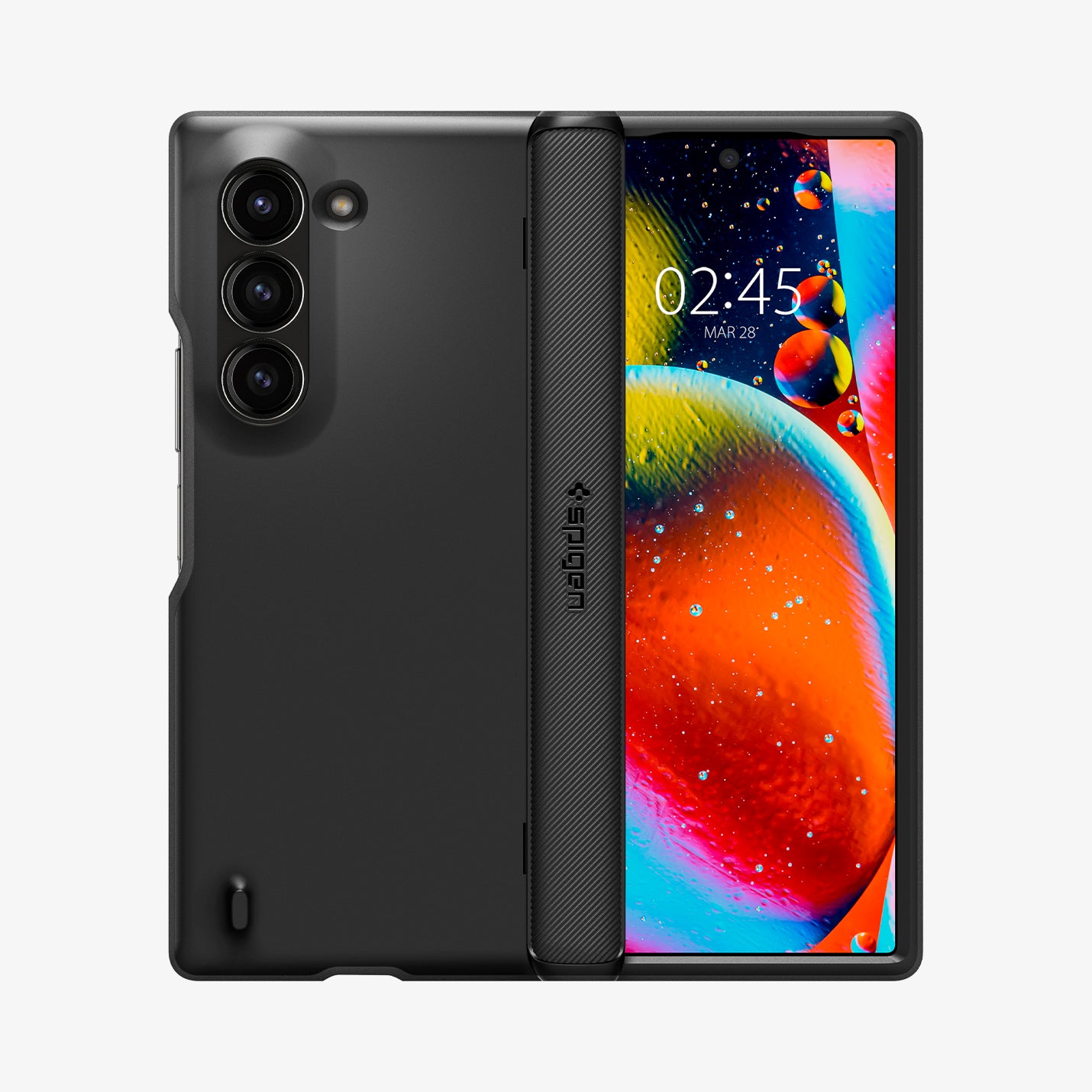
Before ordering phone cases from China, separate a case for a folding phone from a wallet case whose cover folds. Then approve the sample on the exact handset, with the intended cards, screen protector and charging accessories. For importers and wholesalers, a useful sample approval records what fits, what was checked and what the factory must repeat. At DDNZ, we connect model-specific sourcing with factory-price quotations and trial-order conditions through our integrated manufacturing and trading approach. Send us the phone models, reference photographs, quantity split and destination so we can start with the right construction.
- Identify the phone and case construction before comparing prices.
- Check movement and retention on the handset, then check the loaded card pocket.
- Keep an approved sample and written acceptance points for the trial order.
Browse DDNZ phone-case styles and send the reference with your model list. An opening-and-closing video helps when the product name is ambiguous.
1. Start with two different product descriptions
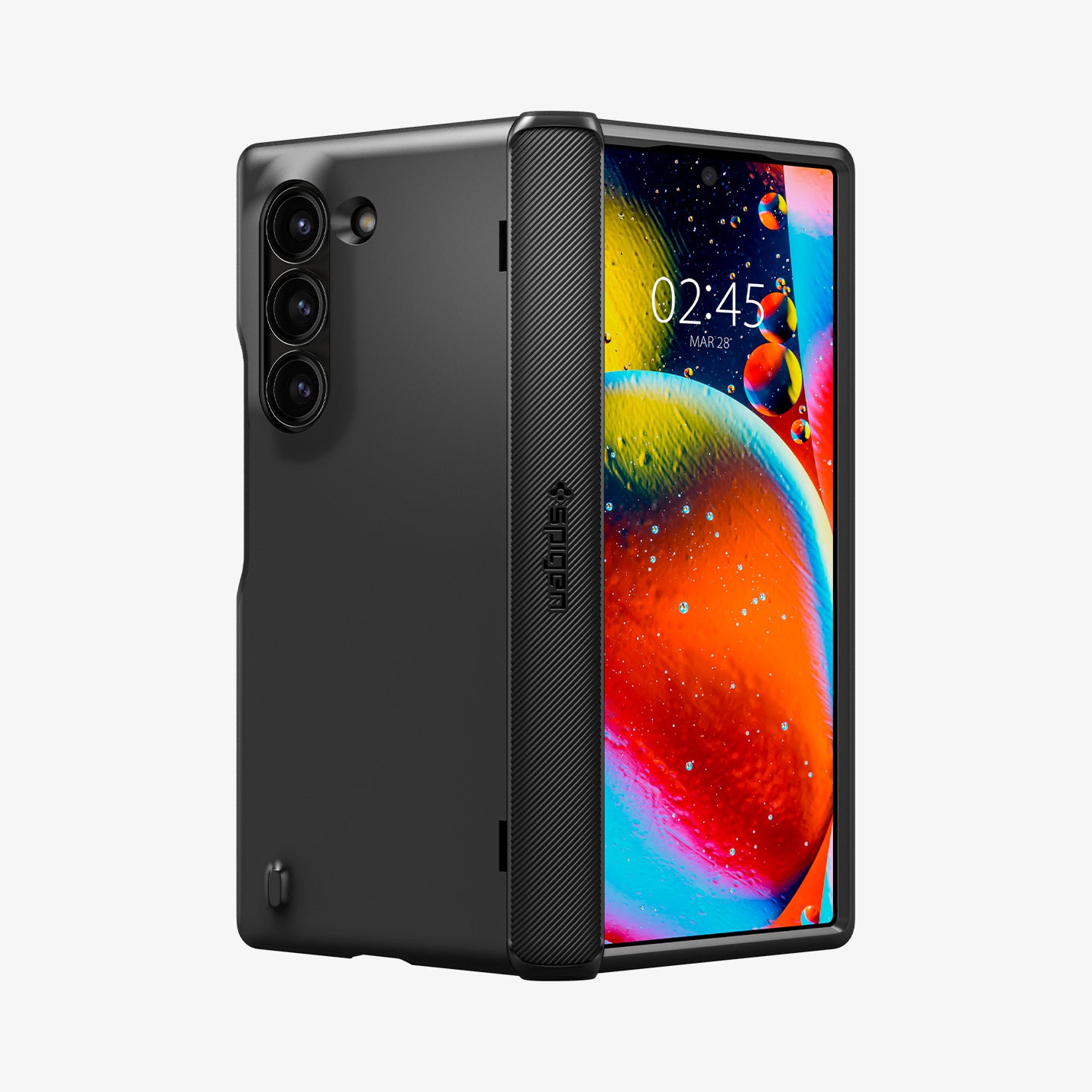
A foldable-phone case fits a handset whose screen and body fold. Specify whether the design is for a book-style foldable or a clamshell phone, and identify any separate front frame, hinge cover or attachment pads.
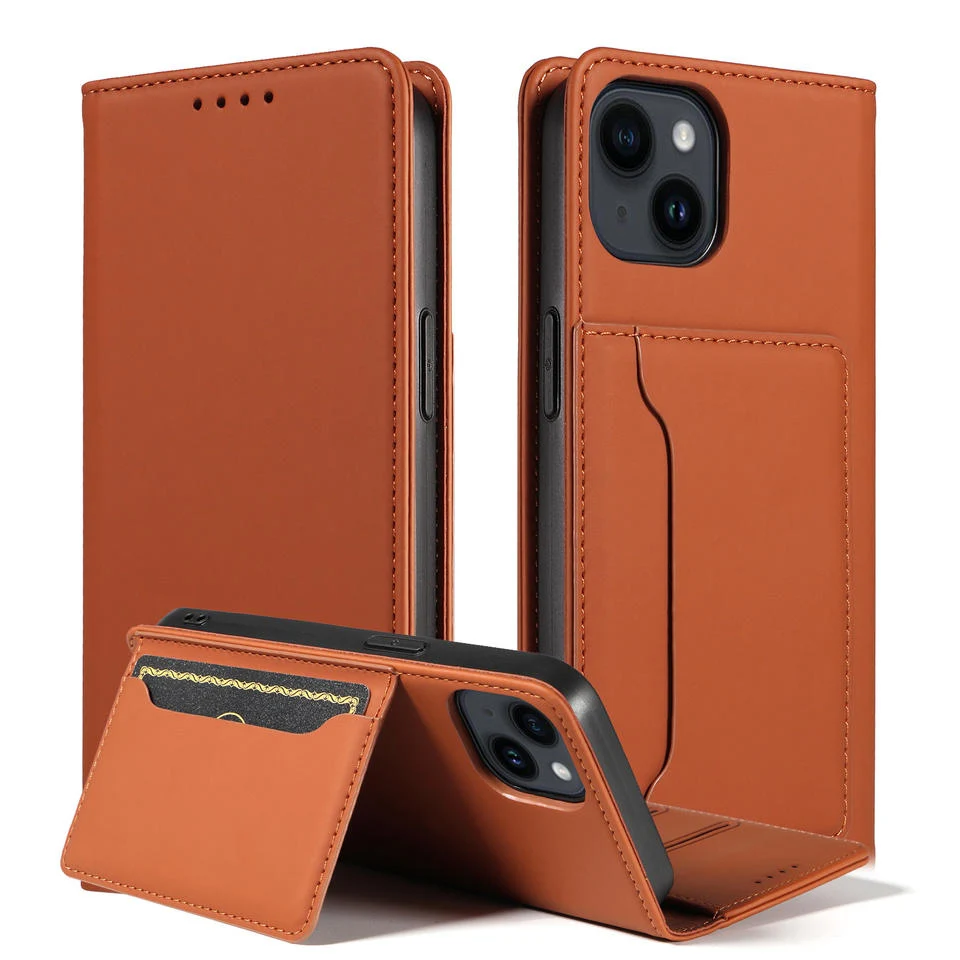
A flip wallet case has a front cover and card storage. It may fit an ordinary flat smartphone. A rear card-holder case is another construction: storage on the back does not necessarily include a front cover.
“Foldable leather case with card holder” is therefore an incomplete buying description. Ask for photographs of the empty case and the installed product, open and closed. Write the handset's full model name and model number alongside the supplier's case reference. Do not approve an entire phone series from one sample.
2. Fit the foldable-phone case and watch it move
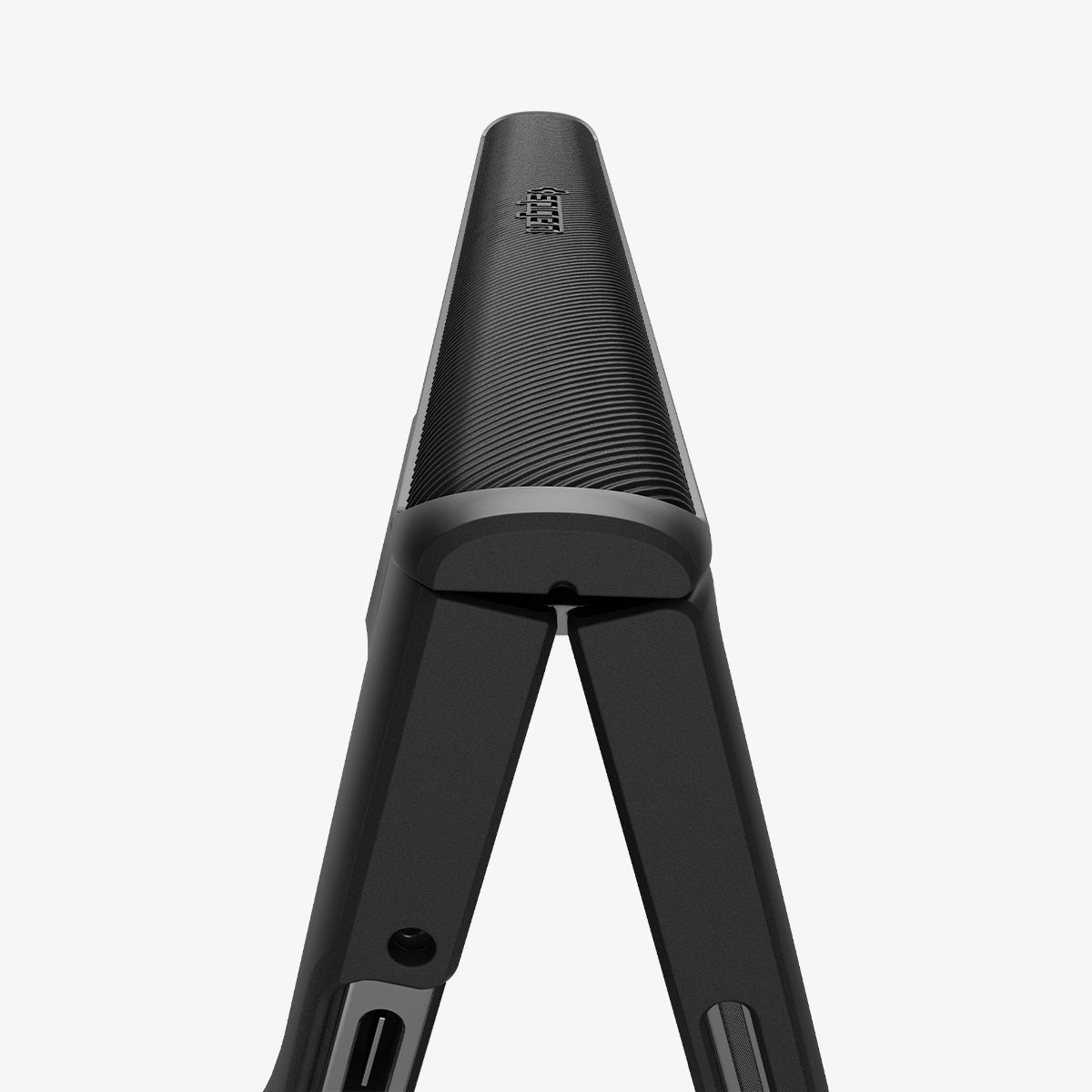
Follow the instructions for the actual handset and case. Check the front and rear pieces separately before opening and closing the phone through its normal movement. Look for a shifting frame, rubbing, lifted edges, blocked buttons and interference around the hinge. Do not force a resistant assembly.
Use the intended outer-screen protector during the fit check. Record its identity rather than writing “works with glass.” If the case uses attachment pads, confirm their location, installation method, replacement supply and removal instructions. Repeated removal can change the sample's condition, so record whether pads were reused.
Ask for a video showing the same labelled handset and case throughout installation and movement. Agree the check sequence and repetition count with the supplier; a short demonstration establishes neither long-term durability nor a drop rating. Treat a dummy phone as an initial shape check, with final functional approval on the intended handset.
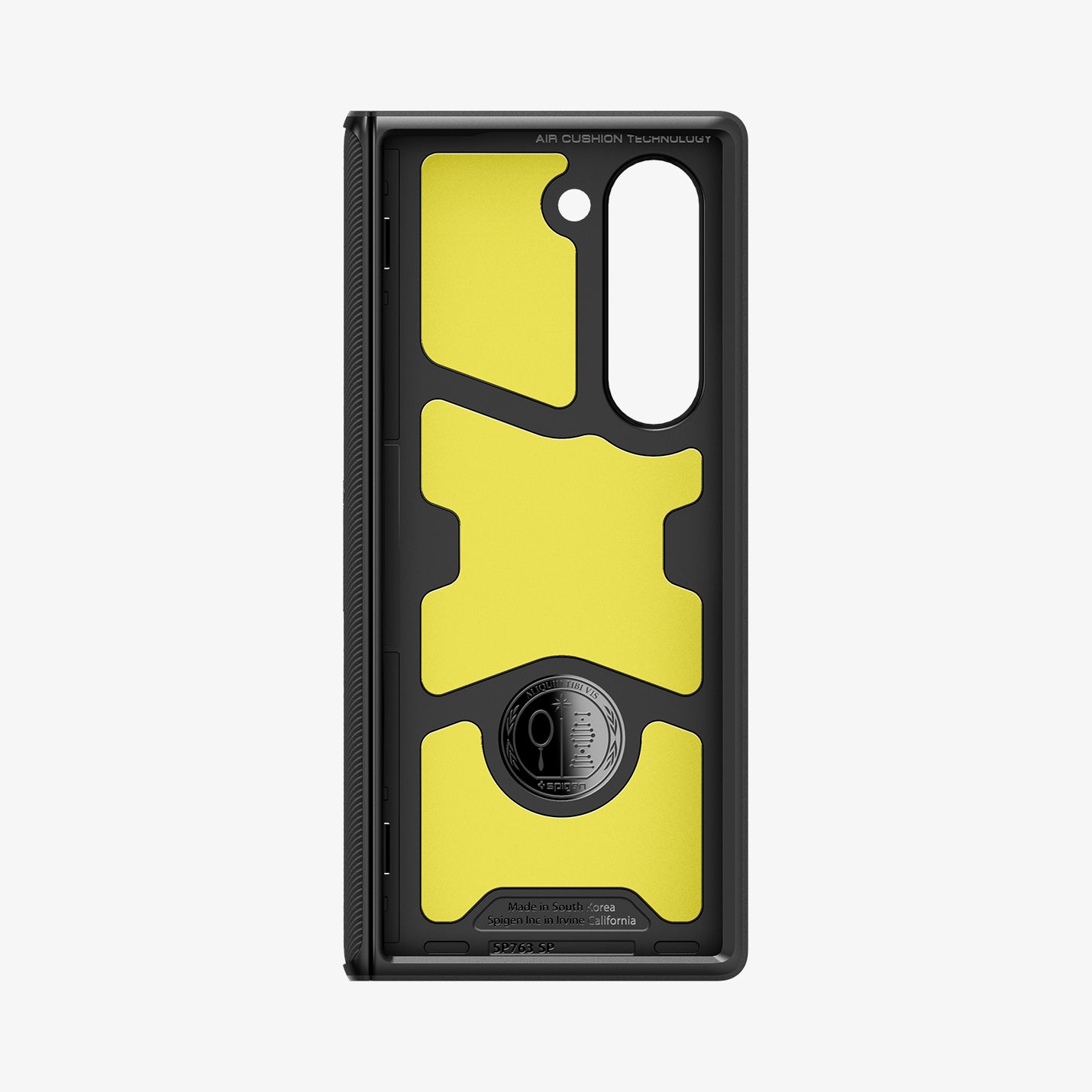
3. Load the wallet before approving the closure
An empty wallet closing neatly does not settle how it behaves with cards inside. Use non-sensitive test cards of recorded dimensions and thickness. Try the intended load, then check removal, retention, the cover position and the clasp. Record whether the closure stays seated during the agreed handling sequence.
Suppose a wholesaler plans to sell the case for carrying a payment card and an access card. The useful sample record shows that combination installed, the cover closed and each card being removed. A photograph of an empty pocket cannot support the same description.
Inspect the lining, stitching, bonded edges and pocket opening. Ask for the outer material and inner holder to be specified separately. A leather-look finish does not establish genuine leather. Keep card capacity, magnetic closure, magnetic mounting and wireless charging as separate claims to check.
4. Check everyday use with the actual accessories
With the handset installed, use the buttons, camera openings and intended charging plug. Check whether the cover or card compartment obstructs normal use. If a stand is included, demonstrate the intended orientation and record the supporting surface.
For charging claims, record the handset, case, charger, adapter and setup. A magnetic clasp is not evidence of charging compatibility. For iPhone testing with a MagSafe Charger, keep payment cards and similar sensitive items out of the space between the phone and charger. Do not use a loaded wallet as a charging demonstration.
Ask for a defined finish-check method if colour transfer, abrasion or edge peeling would affect the retail range. Record conditions and results; avoid turning an informal demonstration into a certified performance claim.
5. Put the sample decision on one sheet
Use the following sheet for each case reference and phone variant. Add photographs, observations and an approve, revise or hold decision. Leave unchecked functions open rather than treating silence as approval.
| Sample line | What to check | Keep with the approval |
|---|---|---|
| Product identity | Handset model number, case reference and construction | Labelled photographs and variant list |
| Installed fit | Frame seating, retention, buttons, camera and connector access | Installed views and observed issues |
| Folding movement | Normal opening, hinge clearance and frame movement | Video, agreed sequence and repetition count |
| Attachment pads, if used | Position, installation, removal and replacement | Pad reference and handling instructions |
| Card pocket and closure | Recorded test-card load, retention and loaded closure | Card dimensions, load and handling observations |
| Stand and charging, if offered | Intended support position and exact charging setup | Accessory identities and separate check results |
| Material and finish | Declared layers, lining, stitching, bonding and agreed finish checks | Material description, colour reference and findings |
| Trial-order identity | Model/colour quantities, packaging, labels and approved revision | Signed sample reference, packing proof and order lines |
Keep a physical reference where practical. Photographs should identify its revision, colour and phone variant, so the next quotation refers to the same product.
6. Turn the approved sample into a small trial order
Ask DDNZ to quote each phone model and colour separately. Show standard stock, logo work and retail packaging as separate options, with their own minimum quantities and costs. A low-MOQ stock option does not automatically establish the minimum for a custom print, material or box.
Before payment, agree how production will be checked against the reference, which defects require rework or a hold, and who handles replacements and freight. Set any sampling plan and acceptance limits for the actual order. Sample approval alone does not inspect every production unit.
Keep model labels, quantity records and destination-specific material or product documentation with the shipment file. For an EU sales programme, have the importer assess the applicable requirements against the actual materials and product; a fit check does not replace that work.
Send DDNZ your selected styles and trial-order split. Include the destination, packaging choice and functions you need demonstrated before approving the sample.
Frequently asked questions
Does “foldable case” always mean a case for a folding-screen phone?
No. It can describe a folding front cover. Confirm the handset model number, empty-case construction and installed open-and-closed views before requesting prices.
Can one sample approve every phone model and colour?
It cannot establish every variant's fit or finish. Define which variants require their own sample or checks, and record any agreed grouping before production.
How many cards should a wallet case hold?
Use the intended retail claim and exact case design to set the load. Record test-card dimensions, thickness, retention and loaded closure rather than assuming a universal capacity.
Can I trial neutral packaging before ordering a logo version?
Ask for separate stock, logo and packaging quotations. Confirm model-by-colour minimums and whether later branding changes the material, construction or sample that needs approval.
Technical references
- Samsung foldable-case installation and removal: model-specific handling and outer-screen protector interaction; not a universal installation method.
- Samsung Fold/Flip attachment-pad precautions: attachment and removal considerations for the covered products.
- Spigen Galaxy Z Fold6 Slim Armor Pro: a model-specific construction reference, not a DDNZ supply or brand-authorisation claim.
- Apple MagSafe Charger guidance: card placement during charging with the stated Apple system.
- ECHA guidance for suppliers of articles: EU material-information obligations depend on the actual article, substances and supply-chain role.