Buying commercial ice machines from China starts with choosing a range you can sell and support. For restaurant and bar equipment, compare compact machines and modular units with separate bins. For seafood customers or larger ice projects, use a different buying brief. This shortlist helps importers and wholesalers compare ten manufacturers with production in China, including international brands. DDNZ combines manufacturing and trade to offer factory-price supply, model-specific low-MOQ trials and spare-parts planning. Send us your customer application and destination; we can start with standard models before discussing your own logo and packaging.
Ask DDNZ for a factory-price trial-order proposal. Include the ice type, intended daily output and quantities—or send photographs of the machines your customers already buy.
1. Ten manufacturers worth comparing
Use the shortlist by buying route: standard-model wholesale and OEM, larger commercial projects, or branded distribution.
| Manufacturer | Range to look at | Where to start the enquiry |
|---|---|---|
| KAISON | Built-in-bin and modular machines; several ice types | Standard-model OEM configuration and separate branding MOQ |
| Snooker / Shanghai Chuangli | Cube, crescent, granular and other ice types | A small foodservice dealer range with matching parts |
| Snowsman | Undercounter and modular cube machines; crescent and flake | Sample enquiry and an OEM range based on existing models |
| Naixer | Built-in-bin and split cube machines; crescent and nugget ranges | The ice shape your customers actually need |
| Changshu Shenghai | Cube, crescent, snowflake and ice/water machines | Machine output, bin size and OEM scope |
| ICEMA / ETD | Commercial cube and flake machines alongside industrial systems | The commercial product line and its exact manufacturer |
| Koller | Commercial cube and flake machines | Restaurant units versus larger commercial ice demand |
| CBFI / Icesource | Commercial and larger edible-ice equipment | Hotel, chain or central ice-production projects |
| Hoshizaki China | Foodservice ice machines; China manufacturing base | Model origin, destination channel and service eligibility |
| Manitowoc China | Undercounter and modular machines; several ice shapes | Brand distribution terms and destination-specific models |
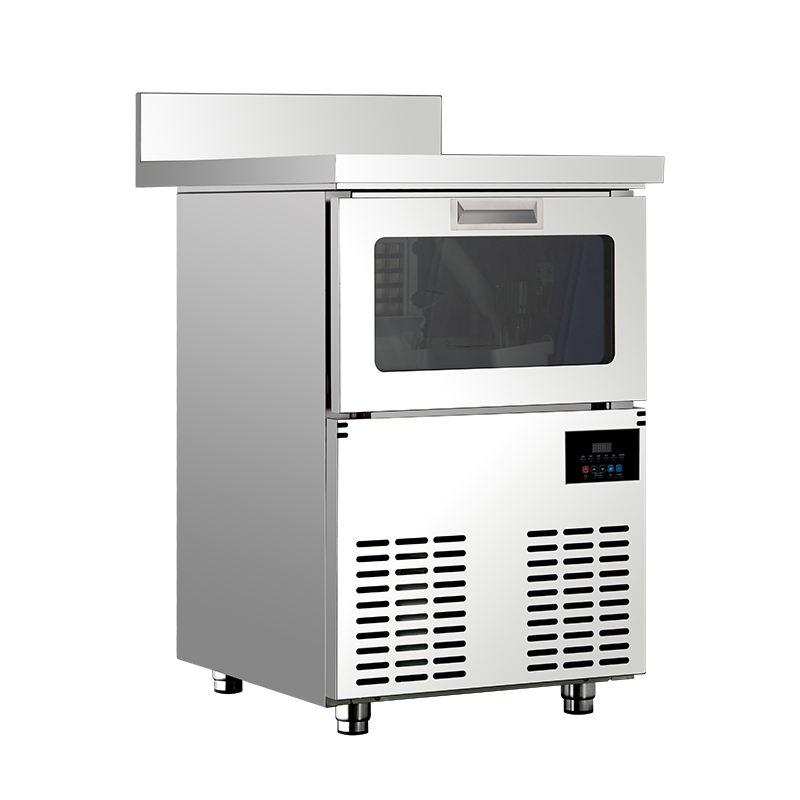
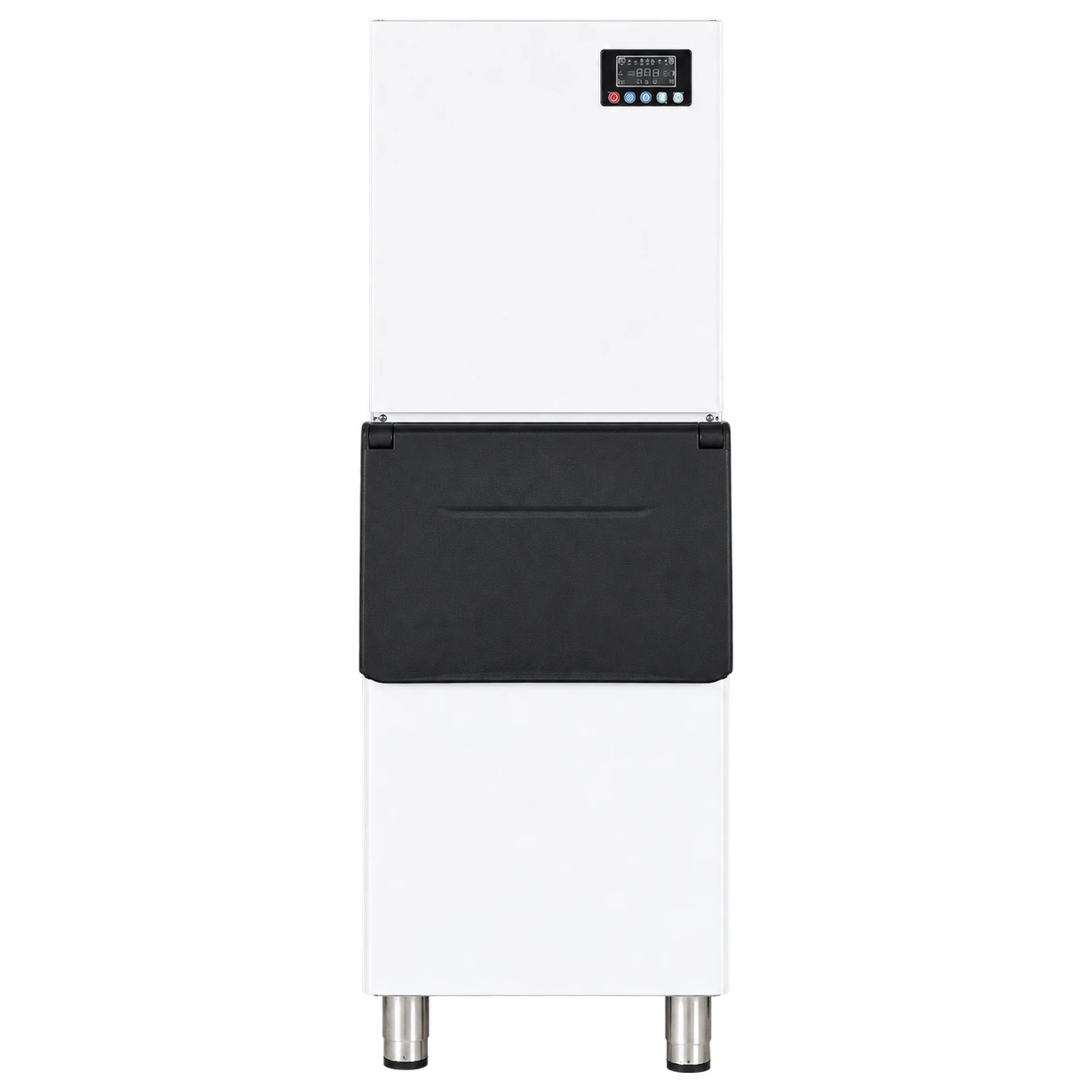
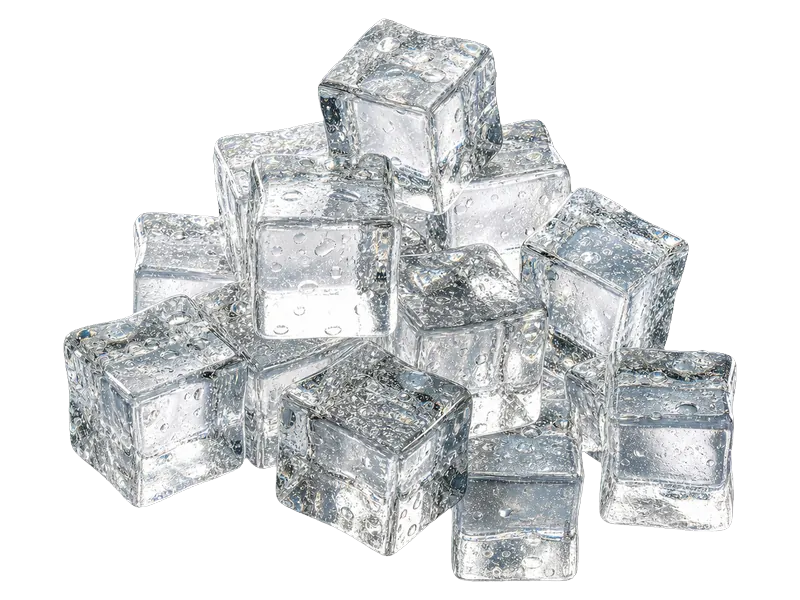
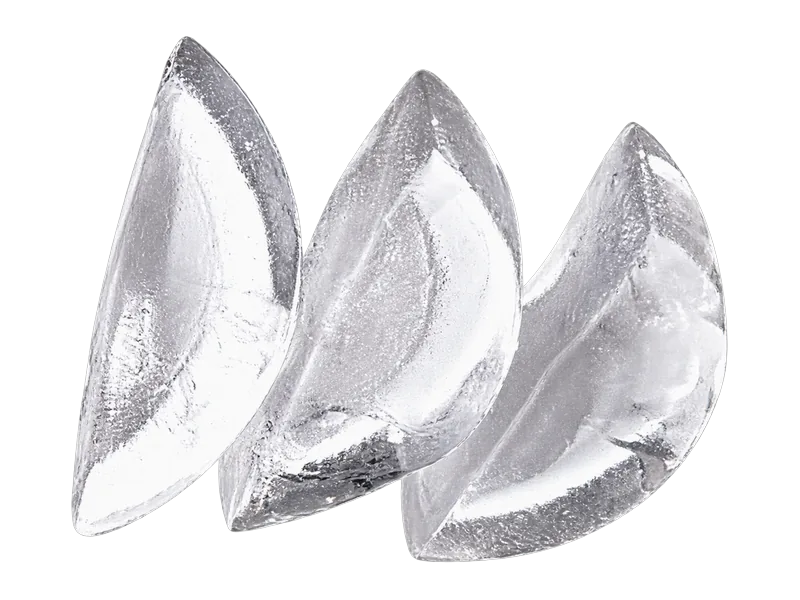
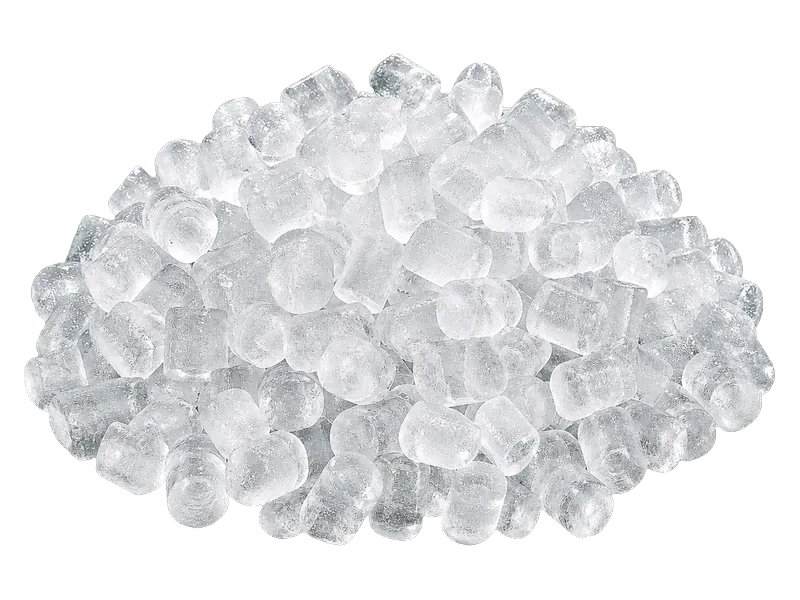
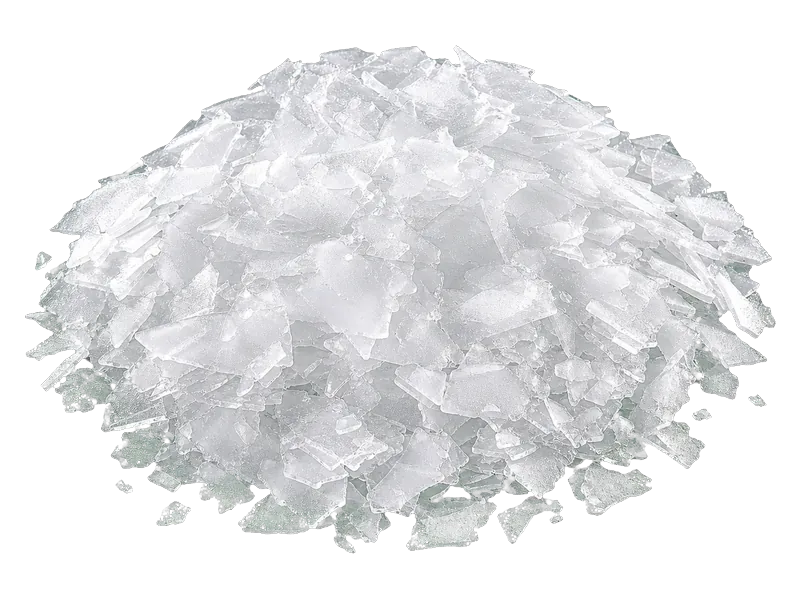
A self-contained machine keeps ice production and storage in one cabinet. A modular machine uses a separate head and bin: quote both, and check their fit. The four ice shapes below are different product choices; send us the shape your customers need rather than asking only for an “ice machine”.
Self-contained machine
Modular machine with separate bin
Cube ice
Crescent ice
Nugget ice
Flake ice
2. What to ask each manufacturer
1. KAISON. Ningbo Kaison offers built-in-bin and modular machines, with an OEM/ODM programme covering branding, packaging and configuration. For a first private-label order, ask for existing base models. Quote the machine quantity separately from printed cartons, manuals and panel changes, so custom packaging does not quietly dictate the entire order size.
2. Snooker / Shanghai Chuangli. Snooker’s range includes undercounter cube machines and several other ice shapes. Ask which shortlisted models share service parts, then obtain separate model references and packing dimensions. A similar cabinet does not establish interchangeable controls or components.
3. Snowsman. Snowsman manufactures in Zhenjiang and offers cube, crescent, granular and flake machines, alongside OEM services. Its cube range includes undercounter and separate-bin formats. Start the trial discussion with the ice shape and cabinet format, then confirm the electrical version, sample terms and changes allowed on the repeat order.
4. Naixer. Naixer lists built-in-bin and split cube machines, crescent models, nugget equipment and flakers. For a beverage-equipment wholesaler, the useful starting point is the ice itself. Request ice photographs and the exact series: a full cube, a larger cube and a chewable nugget should not become one vague “ice maker” item in your catalogue.
5. Changshu Shenghai. Shenghai manufactures ice-making equipment and offers OEM production. Its cube-machine technical table separates daily production from storage capacity. Use that distinction in your enquiry: state how much ice the customer needs and how much must be ready in the bin. Confirm the quoted model code rather than relying on the series-page heading.
6. ICEMA / ETD. ICEMA’s catalogue separates ETD commercial refrigeration from its industrial ice-machine line. For restaurant resale, enquire against the commercial cube or flake models. Confirm the legal manufacturer on the nameplate, warranty documents and parts list; keep a large industrial system out of a small-machine trial comparison.
7. Koller. Koller has commercial cube and flake machines as well as larger systems. Its CV100 and CV500 are named commercial cube references to investigate, rather than recommendations for every customer. Specify whether you are stocking restaurant equipment or supplying a larger ice user, then request the matching installation and service package.
8. CBFI / Icesource. Guangzhou Icesource manufactures under the CBFI trademark, with commercial and larger edible-ice equipment. Its CV1000 reference targets larger users and ice-production projects. Consider this route for hotel, chain or central-supply enquiries; do not make it the default comparison for a café’s undercounter machine.
9. Hoshizaki China. Hoshizaki is a Japanese-origin manufacturer with a manufacturing business in Suzhou. Confirm the actual model’s origin, destination sales channel and warranty support. Buying a brand’s China-made machine is a different arrangement from ordering an OEM machine with your own badge.
10. Manitowoc China. Manitowoc’s China operation identifies Hangzhou as a production base and offers undercounter and modular ice machines. Ask about the model and ice shape available for your market, followed by distribution and parts terms. Do not assume every Manitowoc model comes from China or that purchasing one establishes reseller authorisation.
3. Get a factory price you can actually compare
Suppose two offers show the same daily output, but only one includes a storage bin. Match the cooling method, electrical version and packing too before deciding which factory price is lower.
Put these items on the same quotation sheet:
| Confirm in writing | What belongs in the price comparison |
|---|---|
| Ice type, machine head and storage bin | Exact models and included components |
| Daily output and test conditions | The same ambient and inlet-water conditions |
| Power supply, cooling method and refrigerant | The version for the destination and installation |
| Branding, packaging and documentation | Standard supply versus the private-label changes |
| Spare parts and shipping terms | Parts package plus EXW/FOB scope and onward costs |
Request destination-appropriate safety and food-contact documentation for the exact model. IEC 60335-2-89 covers commercial ice-makers within its scope; citing the number does not establish a machine’s approval for your market. For output under hot operating conditions, use our commercial ice-machine selection guide alongside the manufacturer comparison.
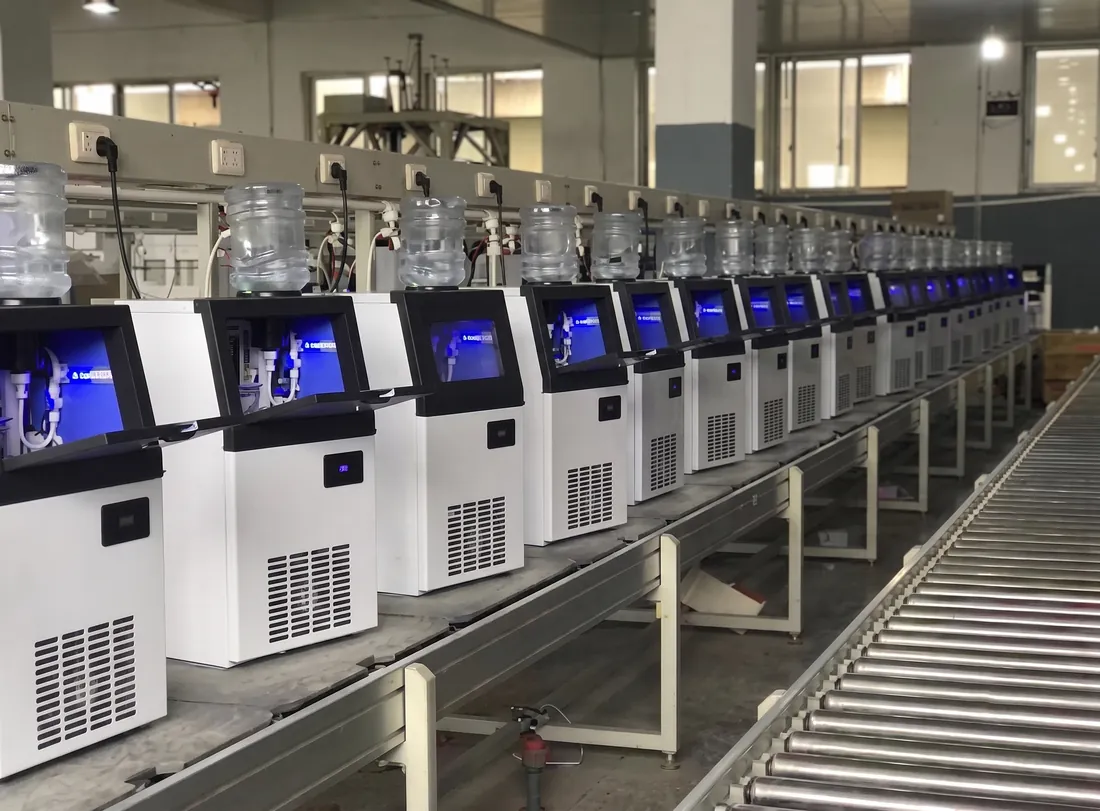
Machine inspection line
4. Keep the trial order small and the service plan specific
We would start with a few standard models that address real customer enquiries. Ask DDNZ to confirm low-MOQ options by model, with the machine, logo and printed packaging requirements listed separately. After the trial, keep the approved configuration and parts references with the repeat-order record.
DDNZ’s integrated manufacturing-and-trade approach brings the factory-price offer, order specification and agreed production visibility into one purchasing process. We can plan the trial assortment and a starter-parts enquiry together.
Before ordering, request the illustrated parts list, wiring diagram, cleaning instructions and warranty procedure. Price model-specific wear and service items—such as filters, seals, water-system components and sensors—with your technician. Agree who diagnoses faults, who supplies replacements, who pays freight and whether labour is covered. Refrigerant-system work needs an appropriately qualified service provider.
Our commercial kitchen spare-parts guide covers model identification and replenishment records.
Questions before your first wholesale order
Which manufacturers should I compare for my own brand?
Start with manufacturers that explicitly offer OEM, such as KAISON, Snowsman and Changshu Shenghai. Ask for an existing model, the permitted branding changes and a written MOQ for each change. Have the selected model’s destination documents checked before committing to printed packaging.
Can I start with a low-MOQ trial?
Start with standard-model availability and ask DDNZ for the trial quantity on each model. Confirm logo, carton and electrical changes separately. Keep the first order focused; adding many different configurations makes the trial harder to evaluate and support.
What information gets me a useful factory quotation?
Send your destination country and city, customer application, ice type, intended daily output, power supply and quantities. Include the bin, branding and parts requirements—or send an existing machine photo or quotation.
Does the machine price include installation and after-sales service?
Count installation, labour, replacement parts and freight as separate items unless the written offer includes them. Name the local installer or service partner before ordering, and agree the warranty claim process. DDNZ can help define the required supply and support scope in the quotation.
Send your first-order brief to DDNZ
Contact DDNZ for factory-price ice-machine supply and a trial-order plan. Send the models or customer applications you want to cover, your destination and initial quantities. We will work from that brief to discuss configuration, model-specific MOQ, private labelling and the parts package.
Technical references
- KAISON manufacturer and product range
- KAISON OEM/ODM scope
- Snooker product categories and Shanghai Chuangli identity
- Snooker undercounter cube model record
- Snowsman manufacturing and OEM
- Snowsman undercounter cube machine
- Naixer product range
- Naixer built-in-bin cube machines
- Changshu Shenghai manufacturer and cube technical table
- ICEMA and ETD product divisions
- ICEMA commercial cube-machine record
- Koller commercial ice range
- Koller CV100 commercial cube record
- CBFI / Icesource manufacturer identity
- CBFI CV1000 project-oriented cube machine
- Hoshizaki China manufacturing organisation
- Hoshizaki self-contained ice-machine manual
- Manitowoc China manufacturing and range
- IEC 60335-2-89 commercial ice-maker safety scope