When you ask us to source commercial kitchen spare parts from China, start with the machine, not a catalogue photograph. Send the full nameplate, the old part code and clear pictures of its connections. We can use that information to start the identification work before discussing factory prices and trial quantities. For importers, equipment dealers and repair businesses, the next question is what to keep in stock. Build that first order around the machines your customers use, the repair requests you actually receive and the time it takes to replenish each confirmed item.
- Identify the machine and the part before discussing quantity.
- Separate confirmed replacements from items still awaiting a fit check.
- Stock against your customer base and repair records, not a supplier’s entire catalogue.
Send your nameplate photos or parts list to DDNZ. Include the delivery country and the quantities you want to test.
1. What information identifies the right spare part?
A message saying “I need a pump for this dishwasher” leaves too much unresolved. Start with the equipment nameplate. Photograph the whole label so the model suffix, serial number and electrical information remain readable. Next, photograph the installed part, its markings, connections and mounting points. Add relevant measurements and the part reference from the machine’s parts drawing, if available.
Suppose you need a replacement dishwasher pump for a customer. The machine photo leaves the pump label and connections out of view. Send those close-ups with the nameplate. We can then investigate a specific part rather than search for something that merely looks similar. Keep the complete model suffix and serial number; production versions can matter.
| Send with the enquiry | What it helps establish |
|---|---|
| Full equipment nameplate | Machine model, serial number and electrical version |
| Existing part code and markings | The part being replaced, including any revision |
| Parts drawing reference | Its position and whether it belongs to a kit or assembly |
| Connection and mounting photos | Terminals, fittings, fixing points and physical arrangement |
| Relevant dimensions and ratings | Information needed for the proposed fit check |
| Fault description and technician’s finding | Whether the requested part follows a diagnosis |
If the old code has been replaced, ask for the written cross-reference. Keep the old and new references together in your stock record.
2. Separate original parts from compatible replacements
Ask the seller to state whether the quotation is for a manufacturer-original part or an independently supplied compatible replacement. A photograph, brand name in a listing or “OEM quality” description does not settle that question. Record the actual maker, part code and claimed equipment application on the quotation.
For a compatible replacement, request the relevant drawing, ratings, connection details and sample terms. Your technician should check the proposed item against the equipment documentation before you order stock.
For electrical or control parts, ask your technician which ratings, connection details and safety documents need to match. Tell us the destination market as well. If the identification is incomplete, the useful next step is to resolve the missing detail or assess a sample, rather than buy a carton on the strength of a photograph.
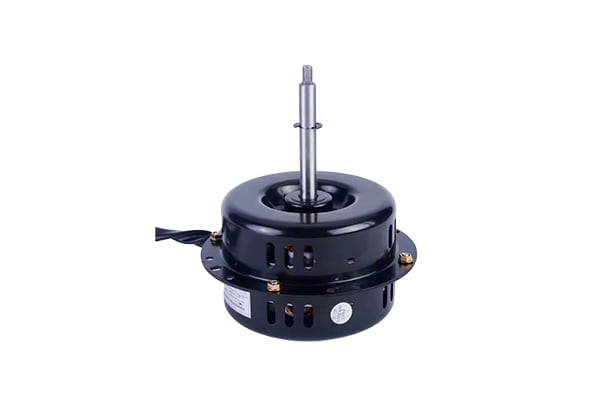
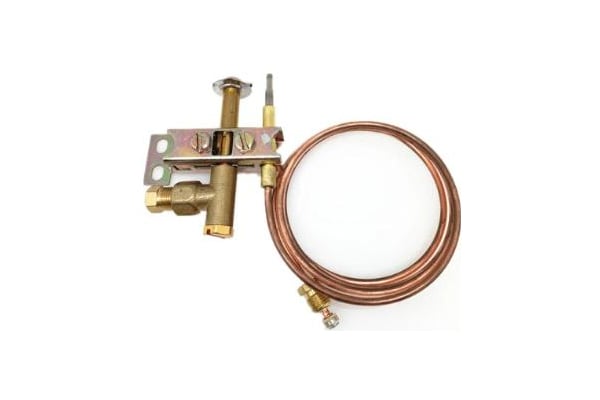
3. Build the first stock order around your installed equipment
List the models your business has sold or regularly repairs. Add your recent parts usage, outstanding requests, current stock and the supplier’s confirmed replenishment time.
Use three purchasing groups:
| Group | How to choose it | First-order approach |
|---|---|---|
| Shelf stock | Confirmed parts with recurring demand in your own service records | Start with a controlled quantity; track actual use |
| Order against a job | Expensive or less frequently requested items tied to a known repair | Obtain the customer’s approval before purchasing |
| Identification pending | Missing code, uncertain version or unresolved diagnosis | Resolve the match or arrange a sample assessment before resale stock |
Door seals, switches, sensors and other service items are candidates for review, not a universal bestseller list. Choose them only where they match your customers’ machines. Keep high-value boards, motors and assemblies linked to a clear demand decision rather than filling a shelf because a catalogue offers them.
Once you have usage records, set each reorder trigger to cover expected demand during the confirmed replenishment period plus a buffer you can justify. Check that trigger again when demand, availability or transport arrangements change.
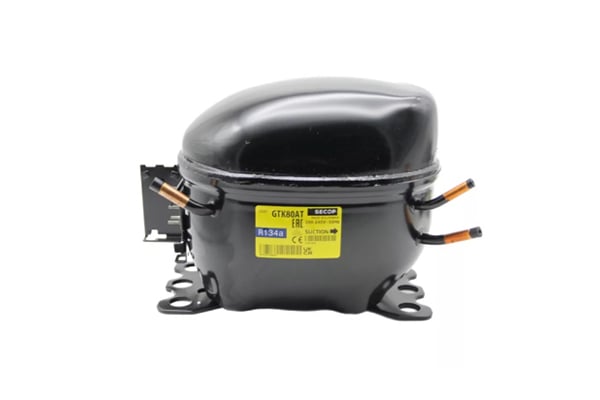
4. Put the fit check and delivery scope into the order
For each line, write the equipment reference, approved part code, maker, quantity, unit price, kit contents and packaging requirement. Include the accepted drawing or sample reference. If a substitution is proposed, approve it as a new decision; do not let the supplier silently replace the ordered version.
Imagine two offers for what appears to be the same replacement. One includes the fittings needed for the job; the other prices the bare component. Before comparing the totals, put the contents side by side. List the included items and accepted reference so your receiving team can check the delivery.
Agree how each bag or box will be labelled and what happens if the supplied item differs from the accepted reference. Separate the part price from freight, import charges and any local installation work.
Questions before your first parts order
Can I get a reliable match from a photograph alone?
A photograph can start the search. Before accepting a fit claim, send the equipment nameplate, existing part markings and connection details. If the match remains unresolved, keep the item out of confirmed resale stock.
Do I need a different stock line for each equipment version?
Keep separate lines until interchangeability is confirmed. Where a documented replacement covers several versions, retain that cross-reference with the stock item so staff can check the application.
How many pieces should I buy first?
Use your own service demand and available cash to propose a trial quantity. Ask for the item’s MOQ, sample terms and replenishment time. There is no single starting quantity that suits every part or dealer.
Does a replacement-parts warranty include local repair labour?
Only if the written terms include it. Agree the claim evidence, return requirements, replacement supply, labour and transport costs before paying.
Send your parts list or nameplate photos to DDNZ
Send us your nameplate photos or parts spreadsheet, the quantities you want to try and the delivery country. Through DDNZ’s integrated manufacturing-and-trade approach, we can discuss factory-price supply and low-MOQ options against the identified items. Tell us whether you need an original-brand part or want a compatible alternative assessed; the quotation should identify what is being offered.
Contact DDNZ on WhatsApp with your parts enquiry, or use WeChat. Already have a spreadsheet? Send it with the machine references and mark urgent repair lines separately from your planned stock order.