Buying commercial mixers from China starts with what your customers make. A bakery kneading bread dough and a café whipping cream need different machines, even when the catalogues show similar bowl sizes. For importers and wholesalers, the useful comparison is the application, permitted batch load, electrical version and included equipment. At DDNZ, our integrated manufacturing-and-trade approach brings those requirements into a factory-price quotation and a model-specific low-MOQ trial discussion. Send us the intended use, batch size, destination and proposed quantities. We can start there, even if you have not chosen a model.
- Choose the mixer type before comparing bowl sizes.
- Compare prices against the same configuration and included items.
- Use a focused trial order to assess the machines before widening the range.
Send DDNZ your mixer requirements. A product photo or an existing quotation is also a useful starting point.
1. Spiral or planetary: what will your customer make?
For buyers searching for a spiral mixer manufacturer in China, bread and pizza dough are a sensible place to start the discussion. A spiral mixer kneads with a spiral hook and a rotating bowl. A planetary mixer works with an agitator moving around a stationary bowl; the available tools can include a beater, whisk and dough hook.
Look at the tools themselves: a dough hook is used for kneading, a flat beater for mixing batters, and a wire whisk for whipping. Confirm the shaft fitting and permitted recipes for the exact machine; similar-looking tools are not automatically interchangeable.
That difference matters when you build a sales range. A planetary machine with a dough hook still needs its own dough-capacity limit. A spiral mixer should not be sold as a cream-whipping machine because it has a large bowl.
| Mixer type | Customer application to discuss | What to confirm before buying |
|---|---|---|
| Spiral dough mixer | Bread and pizza dough production | Flour and finished-dough limits, recipe conditions, minimum batch and operating schedule |
| Planetary mixer | Cake batter, cream, egg mixtures and permitted dough work | Tools included, attachment-specific capacity, speeds and bowl arrangement |
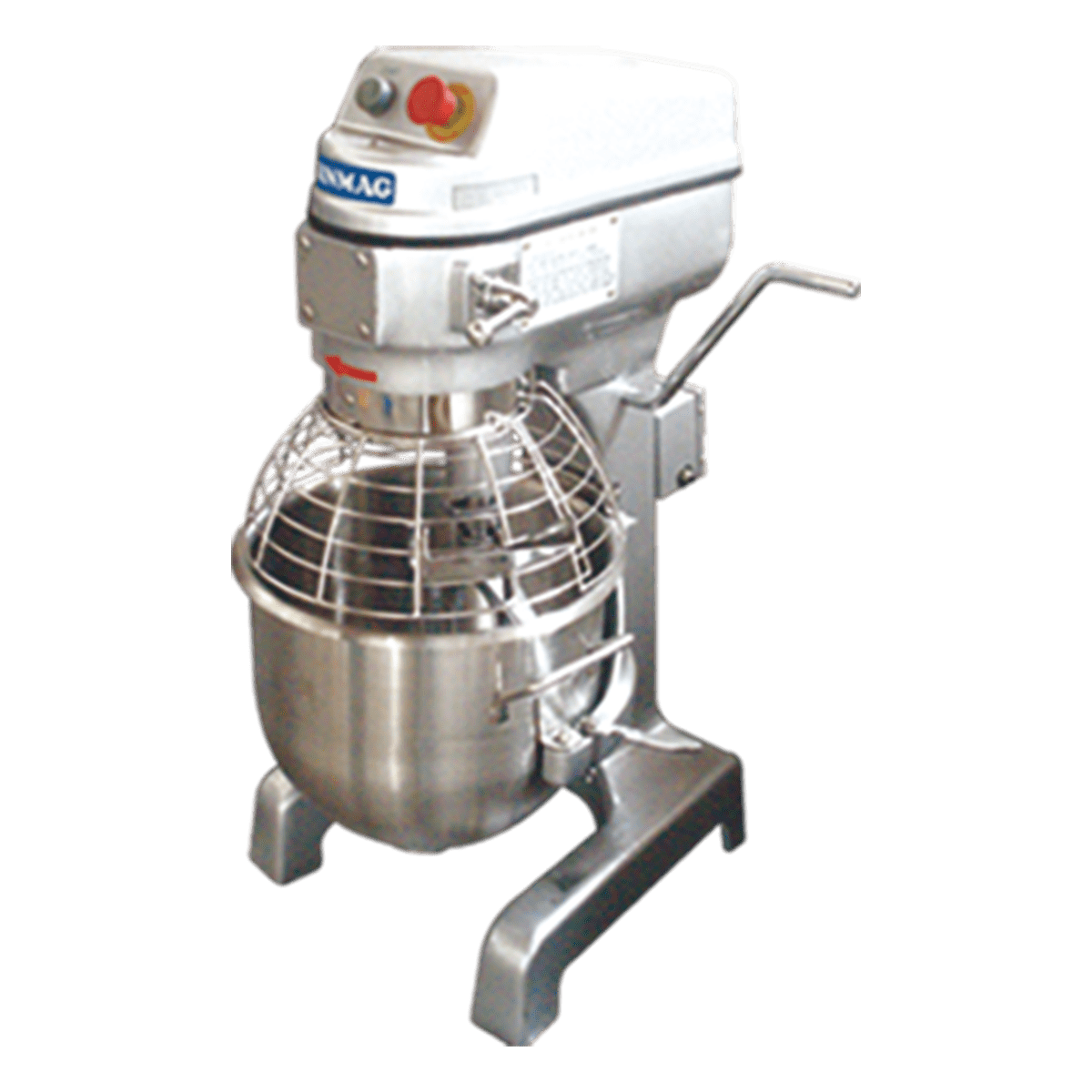
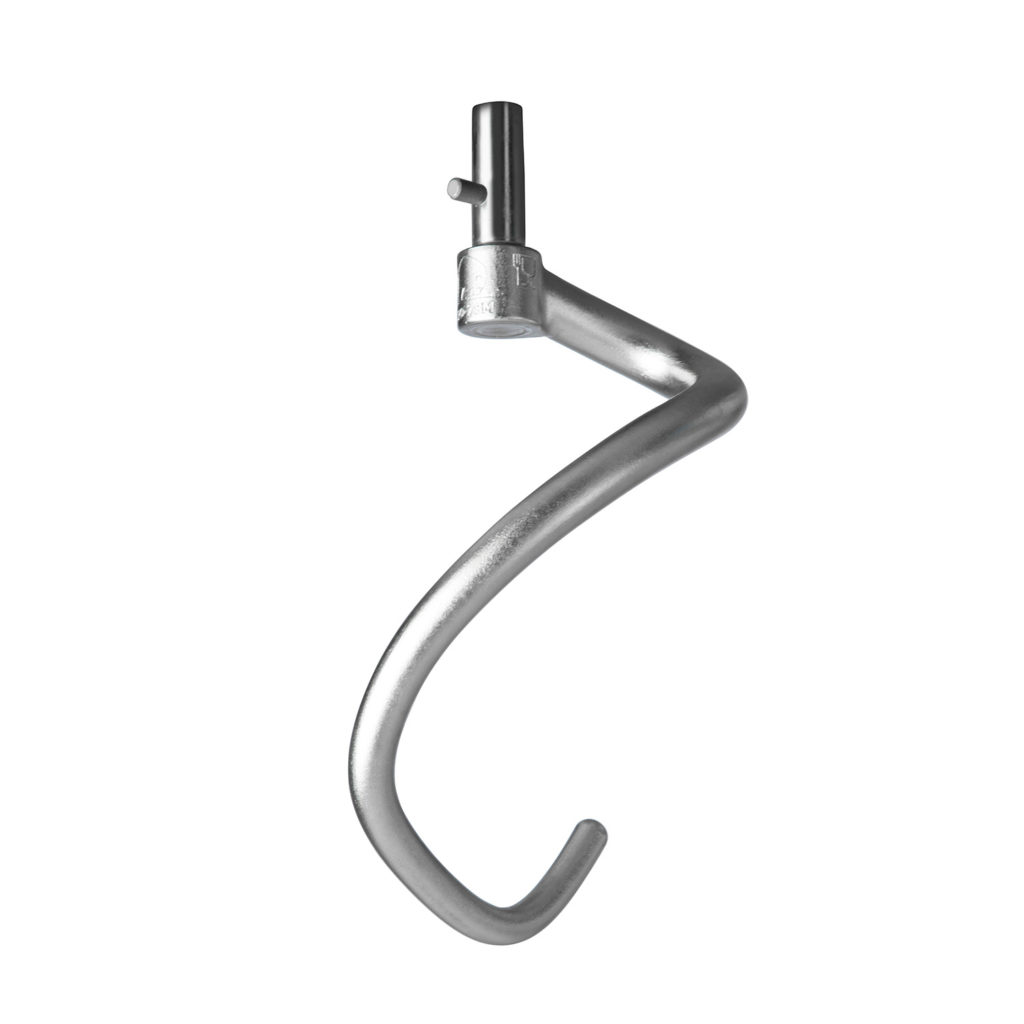
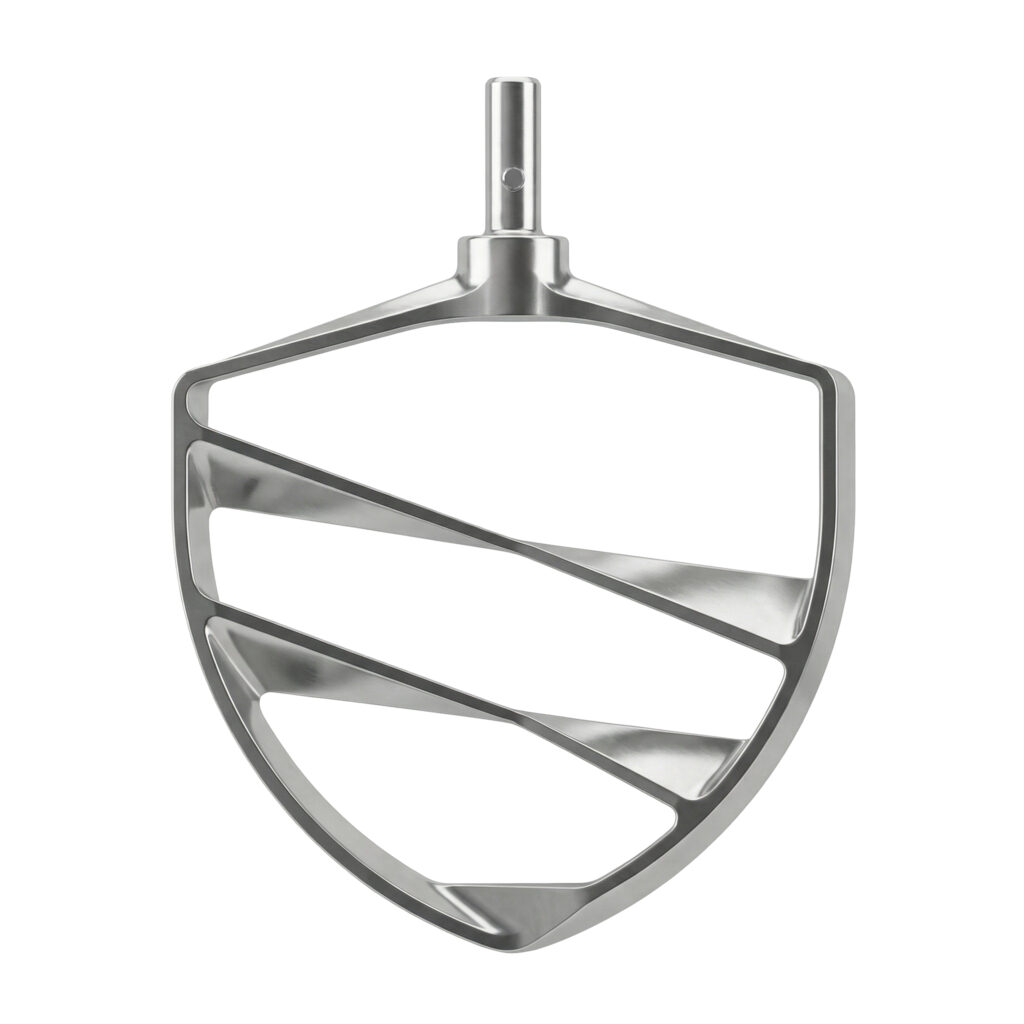
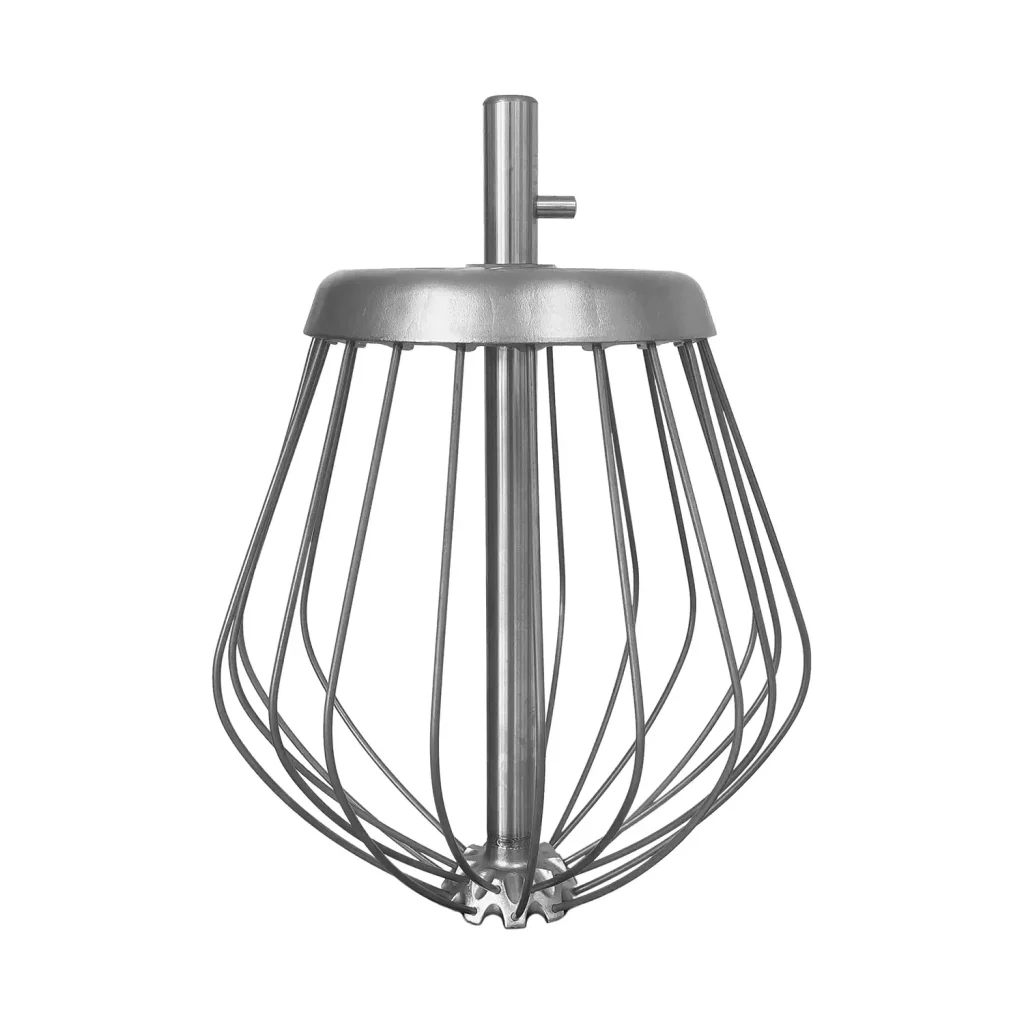
Start with the work your customers already do. Suppose your enquiries come from small bakeries and pastry shops. Separate their dough requirements from their whipping and batter work before deciding which models deserve shelf space.
2. Bowl litres, flour kilograms and dough kilograms mean different things
Bowl volume describes the container. Flour capacity describes the flour portion of a batch. Dough weight includes water and the other ingredients. Keep those fields separate on your buying sheet; a model name or a large litre figure cannot replace the manufacturer's capacity information.
Ask what recipe the stated load applies to. Water-to-flour ratio affects the recommended load, so send the supplier the customer's recipe or at least the flour weight, water proportion and type of product. Request both the allowed maximum and the minimum usable batch where relevant. Motor power alone does not establish either figure.
Then describe the day's work. How many batches will the customer run, and how close together? Ask for the permitted operating and rest schedule for the proposed model. If the supplier only sends a short empty-bowl video, it has not shown how that machine handles the batch you intend to sell it for. Request a demonstration with the agreed load and record its recipe and settings.
3. Put the same configuration beside every factory price
Two offers labelled “commercial dough mixer” may cover different machines. Before comparing unit prices, ask each supplier to complete the same specification sheet.
| Quotation field | What the buyer should get in writing |
|---|---|
| Machine and batch | Exact model, mixer type and recipe-specific flour/dough limits |
| Electrical version | Voltage, frequency, phase, rated input and connection arrangement |
| Mechanical configuration | Transmission, speeds, fixed or removable bowl, head and bowl-lift arrangement |
| Included items | Bowl, mixing tools, stand or trolley where applicable, and any quoted spare parts |
| Safety and documents | Guard/interlock specification, manual and destination-specific conformity documents |
| Commercial scope | Quantity, currency, packing, named delivery term/place, warranty and exclusions |
A low price is useful when you can repeat the same order. Confirm the accepted configuration in the order, including any branding or packaging changes. Ask for the packing dimensions and gross weight so you can calculate freight and handling alongside the machine price.
Tell us the destination before ordering. Have your local technical or compliance contact check the required electrical version and acceptance documents. IEC 60335-2-64 covers commercial electric kitchen machines, including mixers and kneaders, within its scope; a reference to that standard alone does not establish a model's certification or local approval.
4. Keep the first order small enough to learn from
A low-MOQ trial works best when it answers a specific buying question. Choose a narrow range tied to customer enquiries, identify which unit will be used for demonstration or assessment, and agree what you will check when it arrives. Avoid adding sizes just to fill a catalogue.
Ask separately about the MOQ for the machine, private-label marking and printed packaging. Request the trial quantity you want; the available quantity and factory price need to be confirmed for the selected configuration. We do not apply one starting quantity to every model.
Before dispatch, agree the production updates and checks you want to receive: model labels, the agreed mixing demonstration, included tools and packing. Keep these tied to the ordered machine. Also ask which service parts are available for that model, how they are identified and what the warranty covers. Our kitchen spare-parts guide explains what to retain for later orders.
Questions before a mixer trial order
Can a planetary mixer replace a spiral dough mixer?
Only where its specified dough capacity and permitted recipe cover the job. Use the model's capacity information and an agreed loaded demonstration. A supplied dough hook does not establish equivalent output.
How do I get a comparable factory price?
Send the application, batch requirement, electrical version, included tools, quantity and packing requirements together. Ask for itemised differences between offers so you can see what changes the price.
Can I start with a low-MOQ order?
Ask us to quote your proposed trial quantity against identified models. Machine, branding and packaging minimums are separate questions; confirm each before paying.
What should I check before placing a repeat order?
Record the accepted model, configuration, loaded-test conditions, accessories and parts references. Review the trial machine's operation and service needs before increasing quantities or adding sizes.
Send DDNZ the batch you need to sell
Contact DDNZ on WhatsApp with your destination country, customer application, batch requirement and trial quantities. Add a photograph, model list or quotation if you already have one. Through our integrated manufacturing-and-trade approach, we can discuss factory-price supply and low-MOQ options for that brief. We will need the configuration agreed before it becomes an order.