
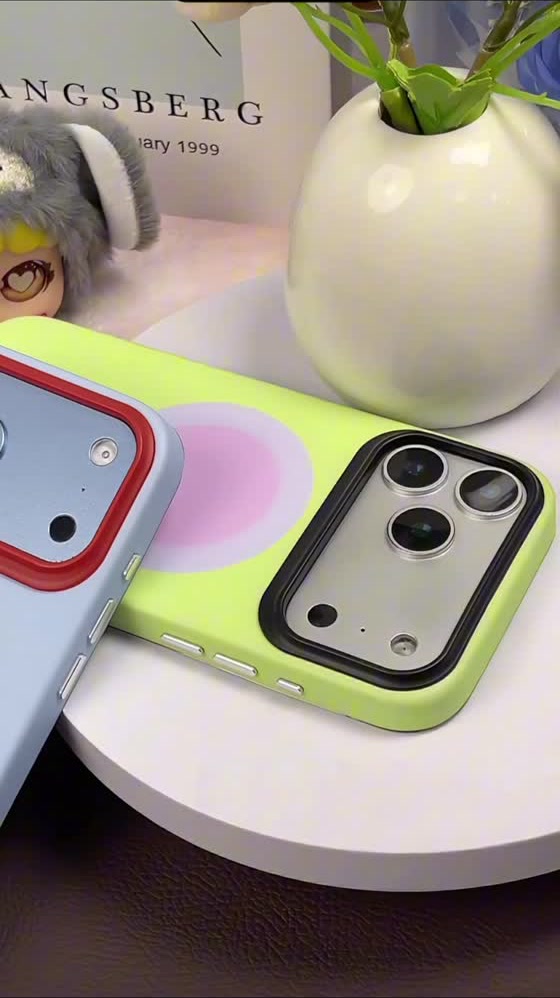
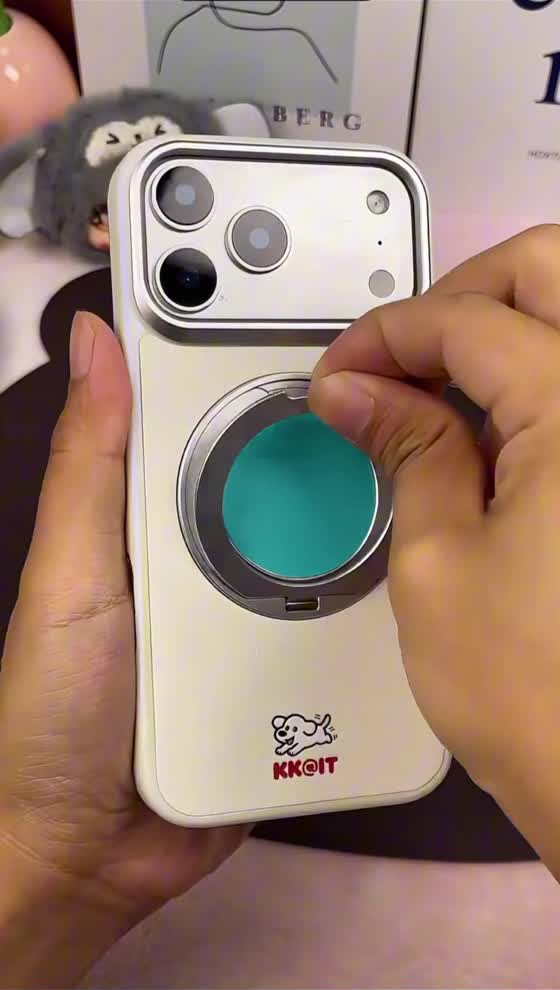
If you want to test several phone case models in your shop, get a quote for the cases and delivery to your postcode before you place the order. Air freight is an option for a small trial when you want to get cases on the shelf and see what sells before committing to more stock. Sea LCL lets your cartons share a container and is worth pricing when you have more cartons ready and more time. For a very small batch, ask for a courier quote as well. Use the same assortment and packed dimensions for each quote. Then compare the cost per sellable case and the date the stock can reach your shelves. Start with models you can actually sell and reorder.
- Build the trial around exact phone models, colours and sellable quantities.
- Compare freight options to the same delivery address with the same scope.
- Confirm the carton labels, import responsibilities and reorder quantities before paying.
Send your phone models, trial quantities and delivery postcode to DDNZ.
1. Put your trial assortment on one sheet
Suppose a shop wants to test a clear case and a coloured case for the models customers ask for most. Start with those models and record the quantities by colour. A single order total hides the detail that decides whether a supplier can take the job. Ask for the minimum per phone model, per colour and per printed pack, plus any minimum across the whole order. A stock colour with plain packaging may have different trial terms from a custom colour or a printed retail box.
For each row, list the full phone model, case finish, colour, pack type and units. If you want a magnetic ring or stand built into the case, describe the feature and ask to check it on a sample. Test the camera opening, buttons and connector clearance on the actual phone before approving the mixed order. Ask for a packing photo that shows how similar models will be identified separately. Two cases that look almost identical on the counter can be easy to mix up in receiving.
DDNZ can quote a trial assortment by model and packing choice, then discuss what can be consolidated at origin. If a factory minimum makes one colour awkward, get a revised mix before you size the freight.
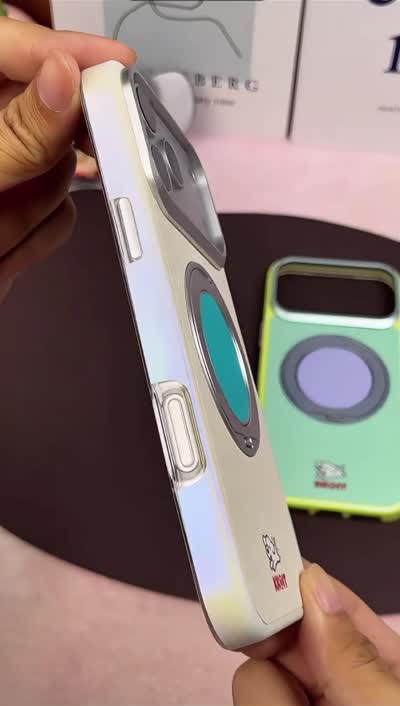
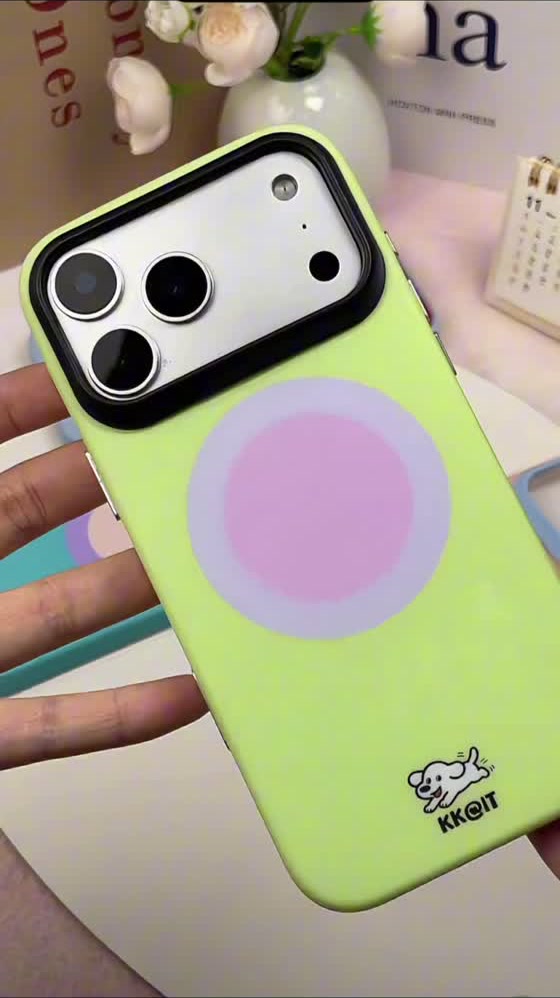
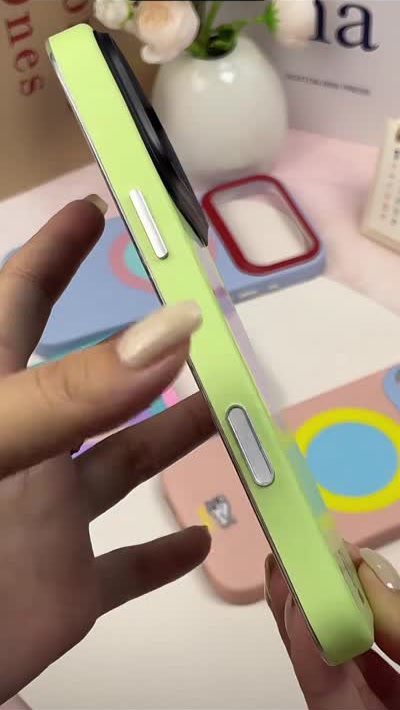
2. Price air freight, courier and sea LCL from the same carton list
Ask for the number of cartons, outside dimensions and gross weight per carton after retail packing. If the warehouse will palletise the goods, ask for the final pallet dimensions and weight as well. Give every forwarder the same cargo details, destination postcode and required arrival date. Ask for a quote validity date and the earliest departure they can offer after the goods are ready.
| What to compare | What to get in writing |
|---|---|
| Air freight | Chargeable weight and minimum, pickup, airport handling, clearance, delivery and estimated arrival |
| Express courier | Chargeable weight, collection and delivery scope, clearance fees and estimated delivery window |
| Sea LCL | Chargeable volume or weight, the minimum charge, origin handling, destination handling, clearance and final delivery |
| Import charges | Who handles the declaration, which duties and taxes are excluded, and who pays each charge |
| Exceptions | Quote expiry and charges for storage, inspection or other events outside the quoted scope |
A carrier’s weight or measurement rules and minimums can make billable volume differ from measured carton volume. Ask the forwarder to show the calculation for your shipment. For sea LCL, have them name the destination handling and deconsolidation charges and specify who invoices them. Compare quotes to the same delivery point and ask whether delivery includes unloading or requires a commercial address.
If your shop needs to test a few colours before placing a reorder, price a small air shipment of the priority models. Compare the extra delivered cost with how much earlier the cases can go on sale. If the trial sells, quote the larger reorder separately by air and sea LCL.
For a simple comparison, add the goods, packing and the logistics charges and non-recoverable duties and taxes you expect to pay, then divide by the number of sellable cases in the trial. Ask your broker or accountant to separate recoverable import VAT from non-recoverable cost where applicable. Keep both figures visible so you can compare margin and cash outlay.
3. Confirm the warehouse handoff and EU import details
Before cartons leave the factory, agree on a carton mark or reference, who checks the counts, and how discrepancies are handled. If two suppliers deliver to one warehouse, ask for a receiving report by supplier and SKU, and a final packing list for the combined shipment. Have the warehouse flag crushed cartons or missing labels before dispatch. Ask for the collection cutoff and who will send the arrival notice at destination.
For cases sold to consumers in the EU, agree with your importer who will handle product identification, traceability, the EU-based responsible economic operator details and any applicable safety information under the General Product Safety Regulation. For online sales, plan the listing information alongside the packaging. Ask your broker to confirm tariff classification and destination-specific import charges for the actual goods. For non-EU destinations, check the applicable local rules separately.
4. Send us a trial list we can price
Send the phone models, units by colour, packaging preference, delivery country and postcode, and the date you want stock available. If your factory already packed part of the order, include its carton list. We can start with the assortment and packing details so the freight comparison uses the same shipment. Ask us to show the trial MOQ and reorder terms separately for each SKU.
Send DDNZ your trial order list.
5. Common questions about small phone case shipments
Can I combine phone cases from different factories in one LCL shipment?
Ask the consolidation warehouse to confirm both suppliers’ inbound references and deadlines. Request an itemised receiving report and one final packing list so you can reconcile the shipment by supplier and SKU.
Can I use air freight to test the market with a small order?
Yes. Ask for an air freight quote for the models you want to test first. Send carton dimensions, gross weight and your delivery postcode. Compare with courier and sea LCL using the same delivery scope and the date you need stock on the shelf.
Can I order different models and colours in small quantities?
Ask for the minimum per model, colour and pack type. Send the quantities on separate lines so the supplier can show which combinations qualify for a trial order.