Buying commercial bar blenders from China? Start with the busiest drink on your customer’s menu. Ask the factory to run that recipe at the intended fill level and repeat it at the pace the shop needs. Then get the complete spare jar and the base-side drive socket quoted against the exact machine revision. For Saudi Arabia or another Gulf market, give the supplier the destination and electrical requirements before it prepares the sample. With DDNZ’s integrated manufacturing and trading setup, you can request factory pricing for an agreed configuration and ask which models are available for a low-MOQ trial.
- Test the drink and the service pace together.
- Match the jar, lid, blade and drive parts to the machine revision.
- Quote machines, complete jars and service stock as separate lines.
Send your drink menu and trial quantity to DDNZ.
1. Give the factory a drink to make
A café selling fruit smoothies and a dessert counter making thick frozen drinks can ask for the same commercial blender and mean very different work. Send the ingredient list, the amount of ice or frozen fruit, the liquid added, and the intended fill for one batch. Tell the supplier how many batches the operator needs to run back to back at peak service. Ask for a sample video that shows the ingredients going in and the finished texture coming out. Give the supplier your acceptance criteria before the test.
Compare the usable fill for that recipe, the cycle and rest instructions in the manual, and how long it takes to remove and reset the jar. A catalog jar capacity gives you a starting point for that conversation. A programmed button tells you how the cycle is selected. Ask for the operating limits separately.
For a front counter, check clearance with the sound enclosure open and the jar being lifted out. Two Chinese catalog examples worth using to frame your questions are Shanice E9 and APEXDURA BL-9856. Both show enclosed designs. Request the exact version and its documents before comparing either with a quoted sample.
2. Put the machine and its spares on one sheet
Take a picture of the nameplate and a separate picture of the jar underside. Ask for the supplier’s part codes and a written fit list. The lid has to fit the jar, the jar has to seat on the base, and its drive has to mate with the base-side socket. If the machine has a sound enclosure, check that the complete jar and lid clear it.
| Order line | What to match | What to ask for on the first order |
|---|---|---|
| Complete machine | Full model and revision, electrical version, controls and enclosure | Quote the base, included jar and lid as one named configuration |
| Complete spare jar | Base seating, jar-side drive, lid and enclosure clearance | Quote the assembled spare and list the parts included |
| Lid and lid plug | Jar code, rim shape and opening | Quote separately if the dealer expects to replace them in service |
| Blade assembly and seal | Jar revision and supplier service instructions | Quote the approved kit if local technicians can service it |
| Base-side drive socket | Exact base revision and mating jar drive | Quote the part code and obtain the service instructions |
Use the photos to identify the parts. Confirm fit with the supplier using the exact machine revision and part number.
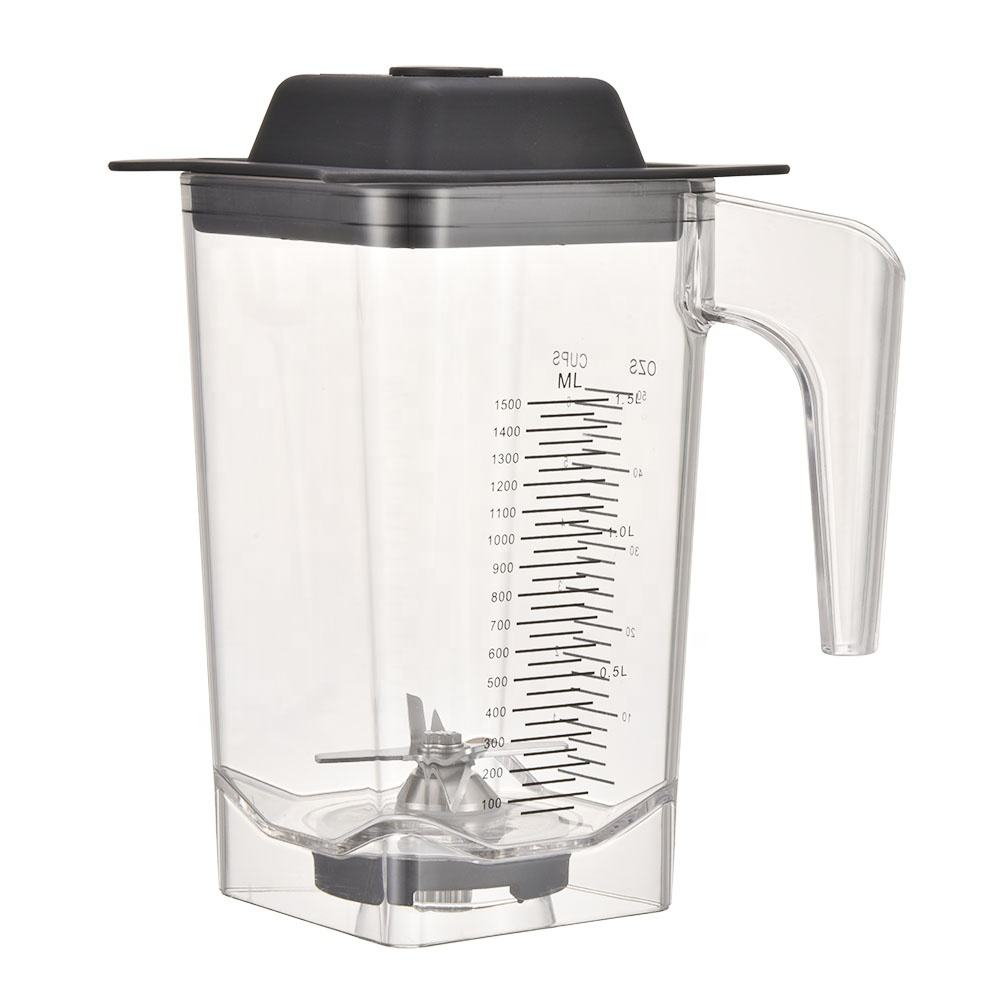
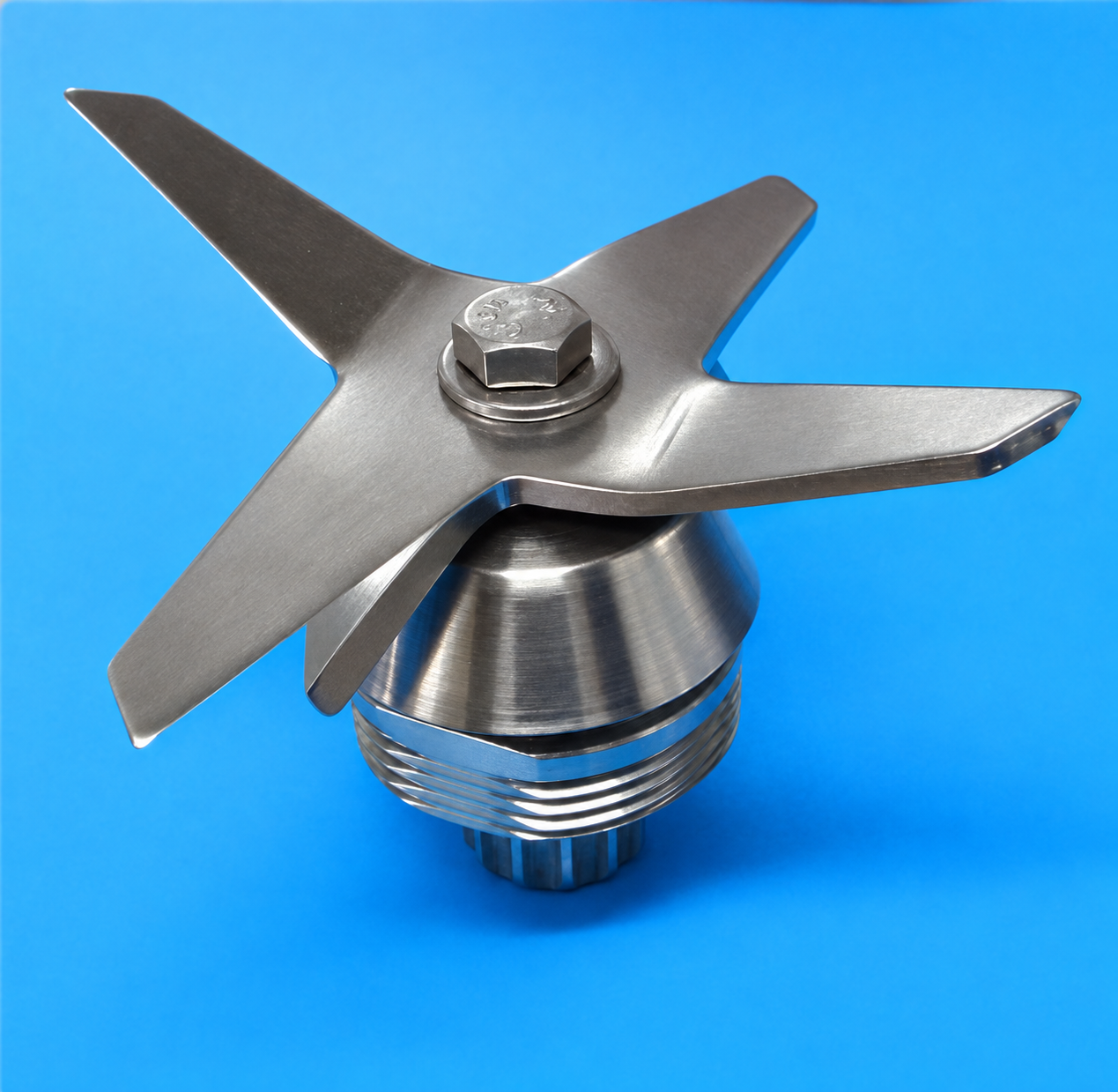
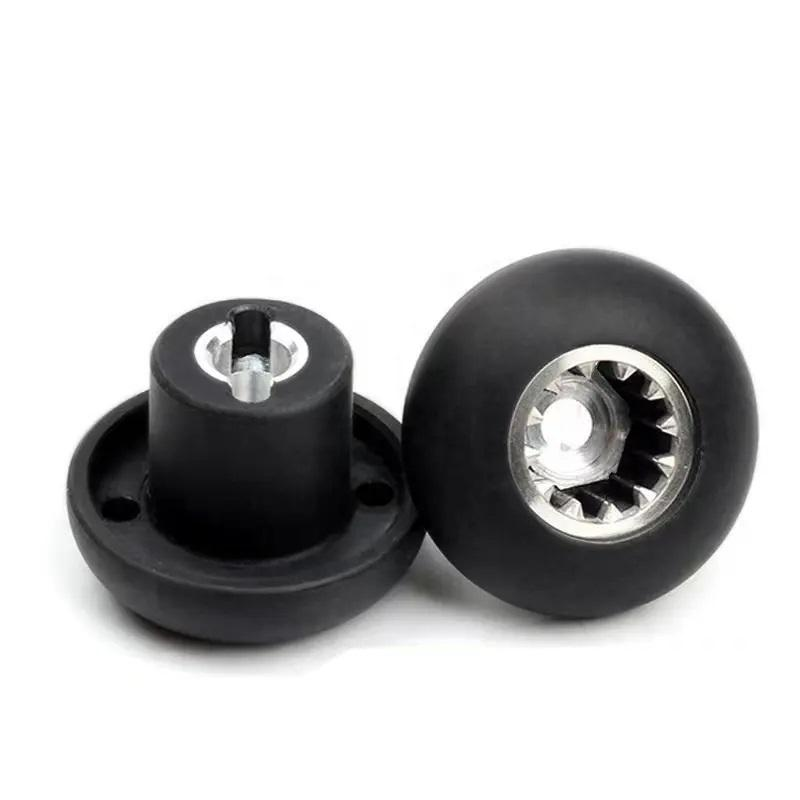
One easy mistake is to stock a bare jar body and expect a branch to swap in the old blade and seal during a rush. Ask whether the replacement arrives assembled. Keep the confirmed pairing in your purchase order and spare-stock sheet so the next shipment can be checked against it.
3. Check the destination before confirming the sample
For a Saudi order, ask your importer or conformity partner to check the exact model and product classification in SABER and identify the applicable route. Use the Saudi food-contact regulation and the Gulf low-voltage electrical framework as starting points for the questions you put to that partner. Request a nameplate photo, plug photo, model documentation and the food-contact material details for the jar, lid, seal and blade assembly. Have your partner confirm which supporting records are required for the actual item and shipment.
For another Gulf destination, repeat the check with the local importer. Put the destination, voltage, frequency and plug on the quote and the sample sign-off. Ask how a separately imported replacement jar should be classified and documented. If the factory changes the jar material or the electrical version after sign-off, have the buyer’s conformity contact review the change before the order is released.
4. Quote a trial the dealer can service
Start with the machine and jar combination you want to sell first. Price the complete spare jar for a fast exchange, then add the service parts your technicians can actually fit. If you have maintenance records for a similar line, use them alongside the installed base and replenishment lead time to decide what to carry. For a new line, agree on replacement lead times and what your branch should do when a machine comes back under warranty.
Ask for the same configuration on each factory quote. Separate the machine, spare parts, retail or distributor packing and branding. Ask which quantities apply to a standard machine, a logo order and a reorder of jars. DDNZ can discuss factory-price supply and model-specific low-MOQ trials once we have the configuration and destination.
Send DDNZ your blender and spare-parts list.
5. Questions before you place the order
Can I use another jar of the same capacity?
Ask for a written match against the base and jar part codes. Check the seating, drive connection and enclosure clearance on the sample before buying the spare.
What should I buy first for after-sales support?
Start by pricing a complete spare jar for the machine you plan to stock. Add separate blade kits or drive sockets where the supplier provides service instructions and your technicians can install them.
What should I send DDNZ for a trial quote?
Send the destination country and city, drinks and ingredients, busiest service pattern, electrical requirements and trial quantities. Add a machine or jar photo if you have one.