Start a coffee shop equipment order with the menu, peak-period orders and the available counter services. Match the espresso machine's brewing and steaming duties to that workload, choose a grinder for the same service pattern, and size ice production together with usable ice storage. Include water treatment, milk refrigeration, washing and utility connections in the first-order scope. At DDNZ, our integrated manufacturing and trading approach connects the equipment package with factory-price proposals, model-specific trial conditions and the agreed export scope. A coordinated list gives the buyer and installer something concrete to compare before machines are ordered.
- Specify peak orders rather than only an estimated daily cup total.
- Match the coffee machine, grinder and ice maker on one equipment schedule.
- Confirm water treatment, utilities and service accessories before ordering.
Send DDNZ your menu, counter dimensions and destination to start a quotation-ready equipment list.
1. Write down a representative rush
List espresso, Americanos, milk drinks, filter coffee, iced drinks and any light food. Choose a representative busy period and record the order mix, hot/cold split, staff on duty and planned order-to-handover process.
Suppose milk drinks dominate the morning rush. The barista must grind, brew, steam and reach refrigerated milk. A daily cup total alone does not reveal where that sequence will queue. Separate milk drinks from black coffee and other orders before discussing steam, brewing positions and staff tasks.
For a new shop, begin with the planned menu and expected orders. Once models are shortlisted, request a demonstration of that same drink sequence, including replenishment, cleaning and preparation. Three separate unloaded machine videos cannot show the combined workflow.
2. Match brewing, steam and the operator
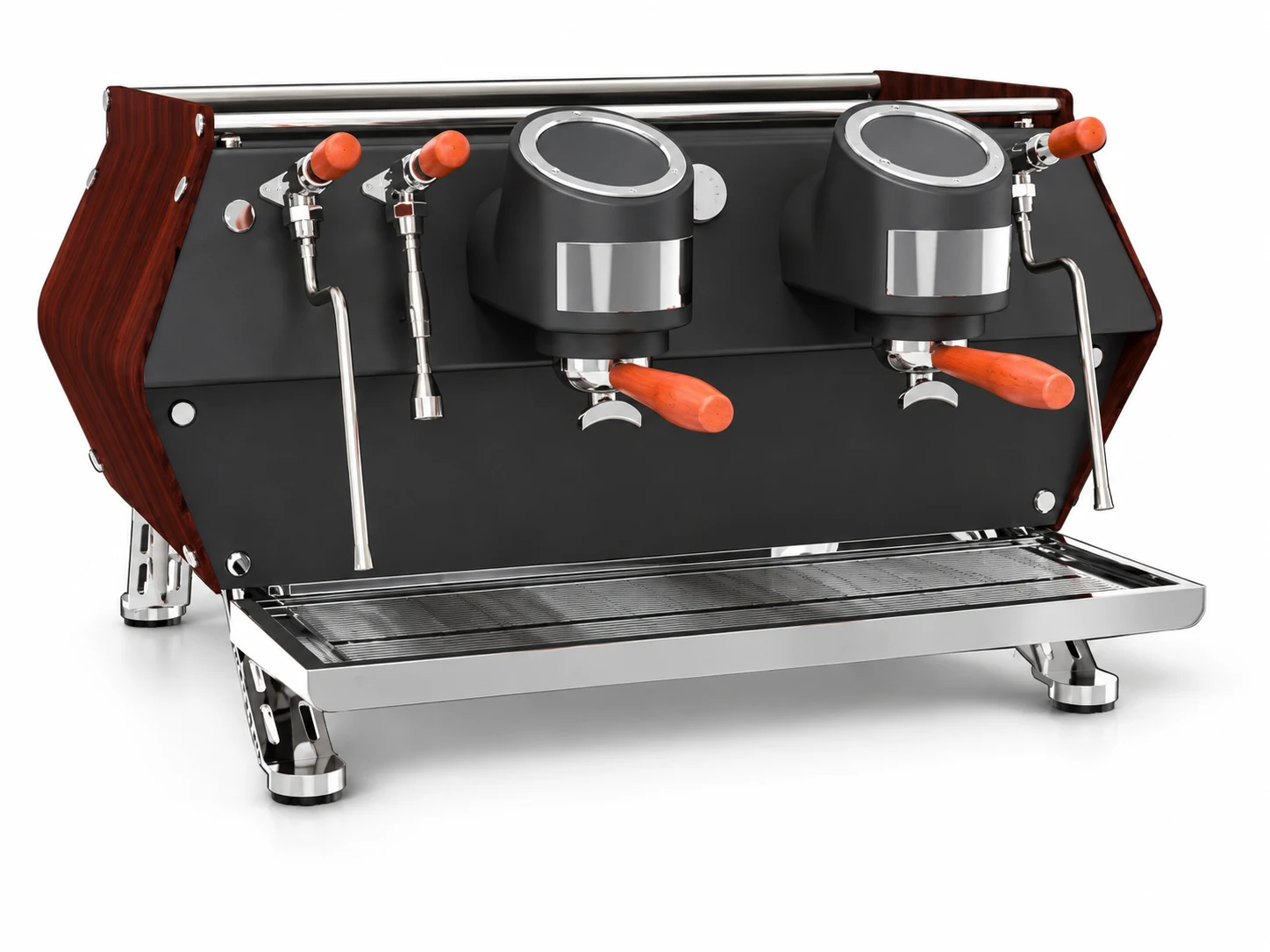
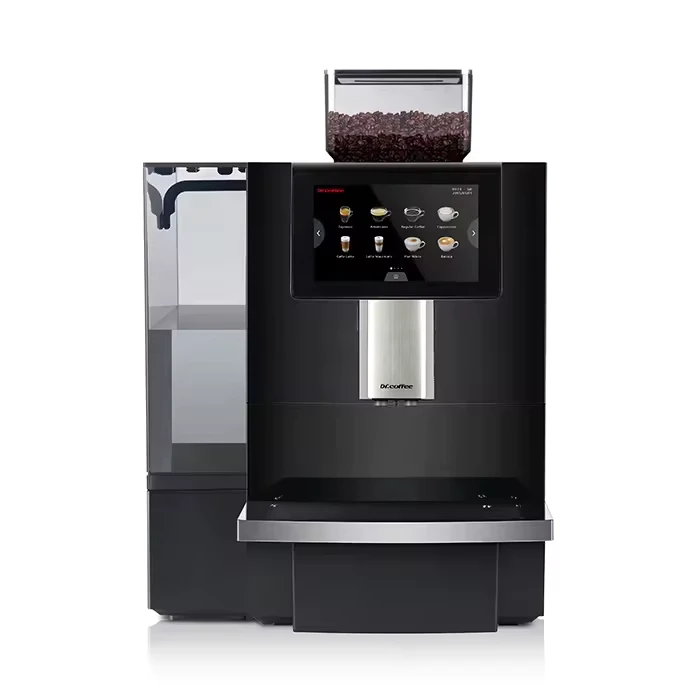
Decide whether the shop needs a traditional espresso machine or bean-to-cup equipment with integrated grinding. Compare the associated operation, menu adjustments and cleaning. Identify whether the quotation includes a milk system or separate milk-storage equipment.
For an espresso machine, request the group arrangement, boiler and steam configuration, water supply method, electrical version and manufacturer's operating conditions. Two machines described as two-group equipment need not have identical performance during consecutive milk-drink orders.
Use the intended beans and recipes in a representative trial. Record whether waiting occurs at grinding, brewing, steam or milk access. That identifies whether a different configuration, workstation or staff arrangement would help before more equipment is purchased.
3. Give each grinder a defined task
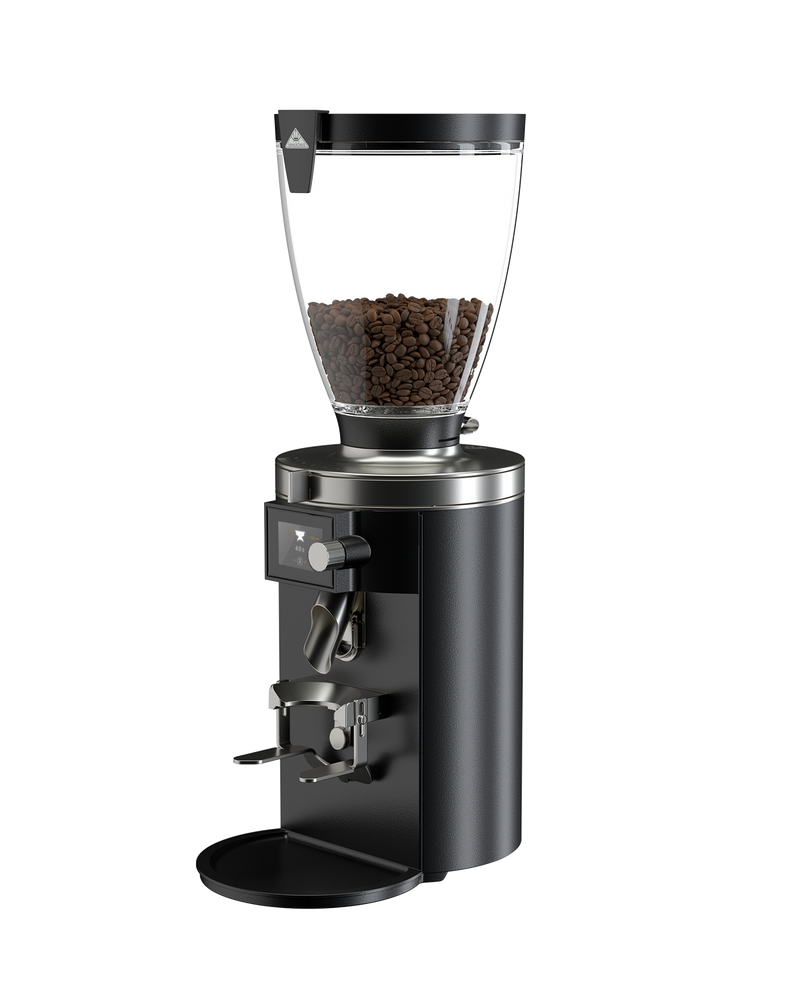
For the espresso grinder, confirm its intended grinding range, dosing method, adjustment and cleaning. Ask about operation with the proposed beans, recipe and settings. Timed dosing and dosing by weight are different configurations; identify which is quoted.
A second grinder is a menu decision. Consider another bean, decaf or filter coffee, together with the work involved in switching. An included grinder does not automatically complete the package. With a bean-to-cup machine, check its internal bean and grinding configuration before adding external equipment. A separate filter offering needs its own grinding assessment.
4. Calculate ice use, then check production and storage
Weigh ice for the actual cup and recipe. As an illustration, suppose a 15-minute rush contains 20 iced drinks using 180 grams per recipe. Their recipe demand is 20 × 180 ÷ 1,000 = 3.6 kilograms. Substitute your measured quantities, then account for trials, melting, other uses and replenishment in the shop's own records.
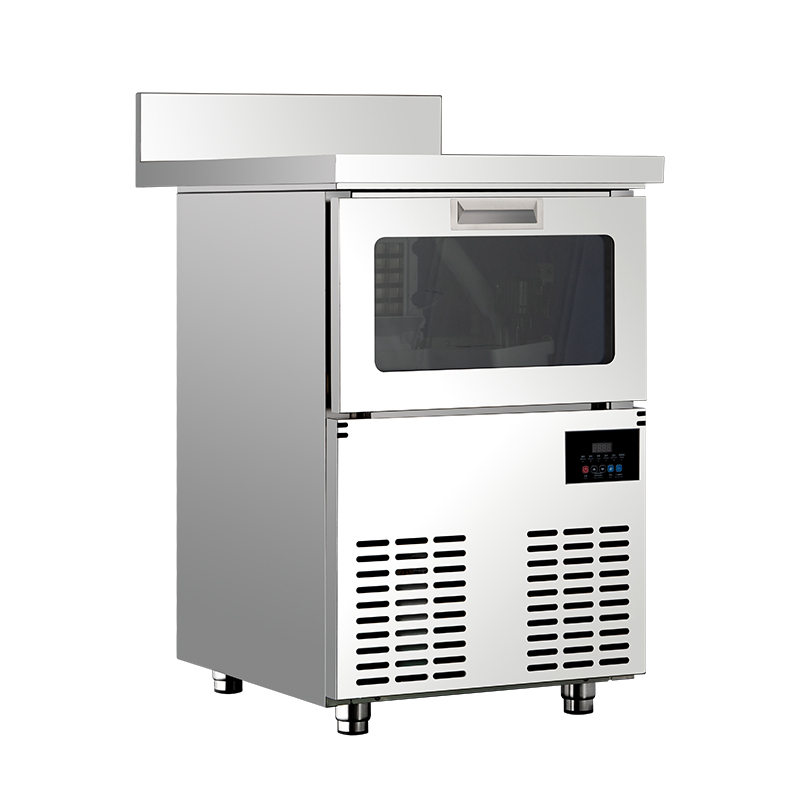
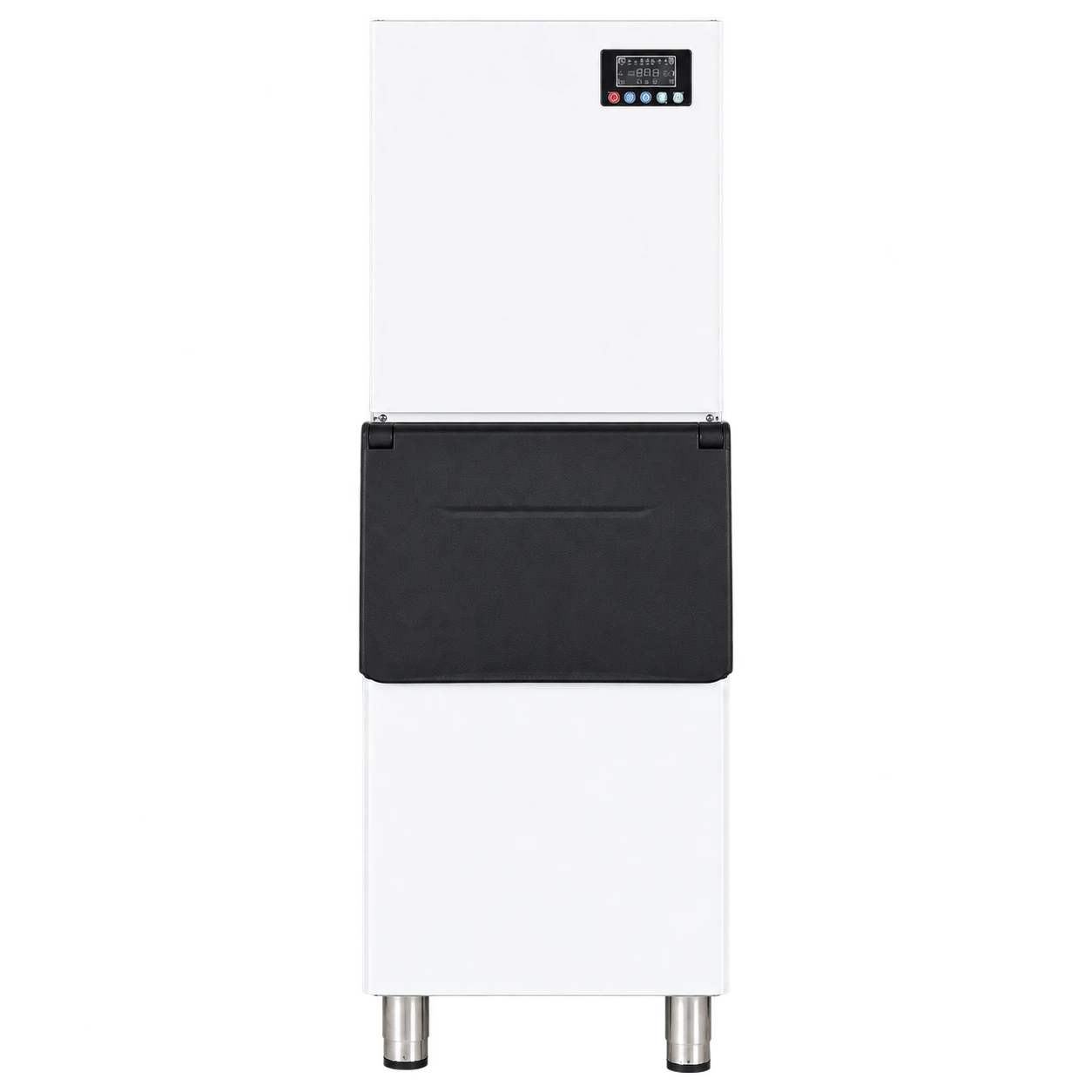
Check production at the intended air and incoming-water conditions separately from the ice available when the rush begins. Dividing a nominal daily figure by 24 is insufficient to establish peak availability. Ice shape, usable storage and replenishment also matter.
State those conditions in the enquiry and confirm whether the storage bin is included. Do not automatically treat a bin or ice well as refrigerated storage. Confirm cleaning, drainage, ventilation and service access for the selected equipment before fitting it into cabinetry.
5. Put the first-order scope on one schedule
Mark each line as required, already available or deferred. The schedule starts a buying discussion; it does not prescribe a universal machine count.
| Equipment line | Selection inputs | Confirm in the quotation |
|---|---|---|
| Coffee machine | Menu, peak drink mix and operator count | Model, brewing/steam configuration, electrical version, water and accessories |
| Main espresso grinder or integrated grinding | Beans, recipe, dosing and working pattern | Actual configuration, adjustment, cleaning and workflow with the machine |
| Second grinder or filter equipment, if required | Second bean, decaf, filter menu and switching | Defined task, intended grinding range and separate hot-water needs |
| Ice maker and storage | Ice recipe, peak use, ice shape and site conditions | Production conditions, usable storage, included bin, drainage and ventilation |
| Water treatment | Site water and each machine's requirements | Treatment, flow, pressure, connections and maintenance consumables |
| Milk refrigeration | Products stored, replenishment and access | Applicable storage conditions, cabinet dimensions, door opening and ventilation |
| Washing and drainage | Utensil return, rinsing, handwashing and cleaning | Facility roles, hot water, drainage and local hygiene requirements |
| Bar tools and initial service parts | Recipe, exact models and local repair capability | Scales, pitchers, identified seals, filters and instructions |
Once dimensions and connections are known, connect the schedule to the café counter layout. Follow grinding, tamping, brewing, milk, ice and handover as one working sequence.
6. Confirm total cost and installation scope
Specify water treatment using site water information and each manufacturer's requirements, including flow and pressure. Have suitable local installers confirm the connections. Check electrical, food-contact and hygiene documentation against the actual model and destination.
Ask DDNZ to separate equipment, accessories, initial service parts, packing and transport scope, with the Incoterm and named place. Request standard-machine, neutral-pack and logo-customised conditions separately. Factory pricing needs a defined configuration; low-MOQ options need confirmation by model.
Agree who installs, commissions and trains, which parts warranty covers, and who pays labour and freight. Send the menu, peak orders, counter plan or photographs, utilities, existing equipment, budget and destination city.
Request a café equipment package from DDNZ.
Frequently asked questions
Does a small café always need a two-group espresso machine?
Start with peak orders, milk-drink share and staffing. Demonstrate consecutive drinks with shortlisted models and compare brewing, steam and grinding waits before choosing the group arrangement.
Is one grinder enough?
Check the bean and brewing-method range. Another bean, decaf or filter offering requires a switching and cleaning plan before deciding on extra equipment. Check integrated grinding first when choosing a bean-to-cup machine.
If daily ice production is sufficient, can storage be ignored?
No. Compare recipe-based peak demand with production at the installation conditions, usable ice before the rush and replenishment. State separately whether the storage bin is included.
Sources and model scope
- La Marzocco Strada AV operating and installation manual: installation and water-information categories; do not transfer numerical settings between models.
- Amalfi CM500-2 technical record: boiler, water and configuration example; not a confirmed DDNZ offer.
- Dr. Coffee F2 specifications: bean-to-cup configuration and installation reference.
- Mahlkönig E65S GbW instructions: dosing, beans and grinding-setting reference.
- Hoshizaki DCM-500B_K-OS technical sheet: production conditions, storage and installation; US model specifications are not an electrical or supply promise for other markets.
- Hoshizaki B-301SA ice-bin record: insulation and machine-matching reference.
- NSF food-equipment standards scope: an ice-equipment hygiene-design reference; check destination certification requirements separately.