When Saudi dealers compare coffee equipment from China, the biggest catalogue is rarely the best starting point. A dealer needs a range the sales team can explain, the technician can install and the buyer can reorder. For most distributors, that means three clear choices: a compact machine for small counters, a two-group machine for busy cafés and an automatic option for hotels or self-service locations. The goal is not to collect more models. It is to choose a few that suit local customers, arrive with the right documents and can be supported after the sale.
Why the timing matters
CoffeeZone is scheduled for 15–17 September 2026 in Riyadh, bringing together hospitality buyers, equipment suppliers, roasters and café operators.
For a dealer, the useful work happens before the event: decide which customer segments matter, prepare a short list and know what questions to ask. Three well-understood packages will start better conversations than twenty machines with little more than a photo and a price.
Build a range customers can understand
1. Compact bar package. This works for small cafés, bakery counters and restaurants where space is tight. A sensible package includes a single-group machine, a properly matched grinder, water treatment and basic bar tools. Compact should mean a smaller footprint—not domestic-duty equipment sold as commercial.
2. Standard café package. A two-group semi-automatic machine suits busier cafés that make espresso and milk drinks at the same time. Ask for the electrical load, water and drainage needs, dimensions and a short list of essential spare parts. These details tell the installer far more than the word “commercial” on a product page.
3. Hotel or self-service package. Bean-to-cup machines can work well for breakfast areas, offices and convenience locations. Here, cleaning, milk storage, waste water, menu setup and access to the grinder matter as much as cup output.
Two price positions, two different buyers
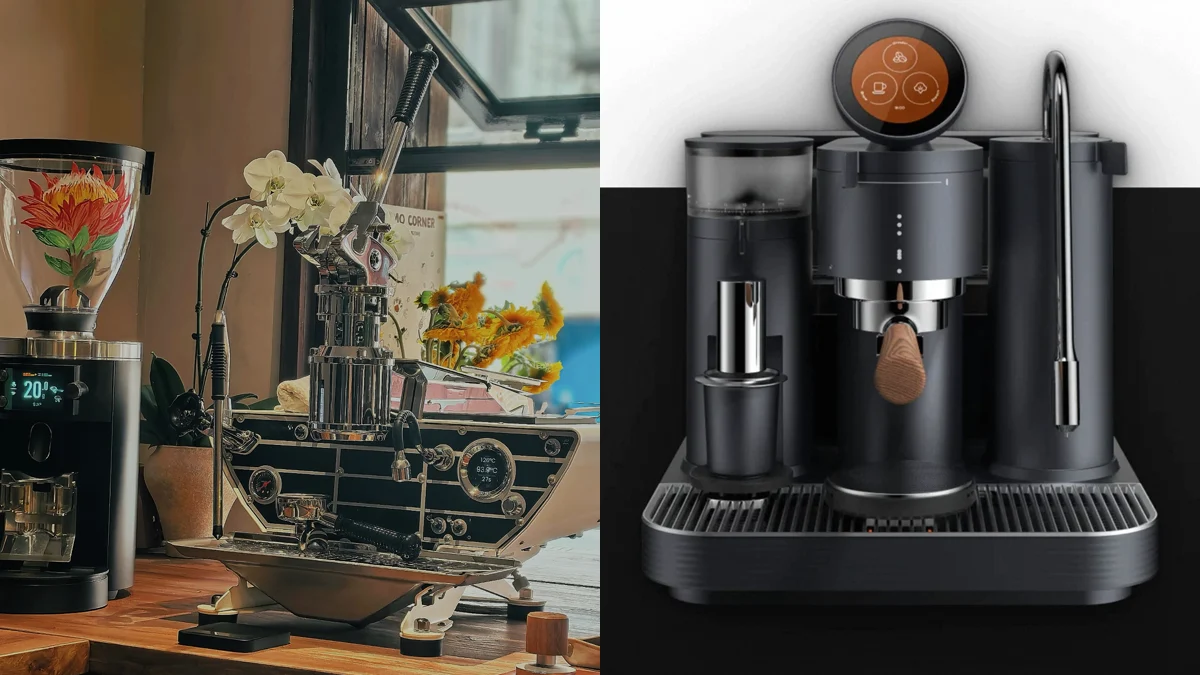
The photographs show why price only makes sense when it is tied to a customer and a complete package.
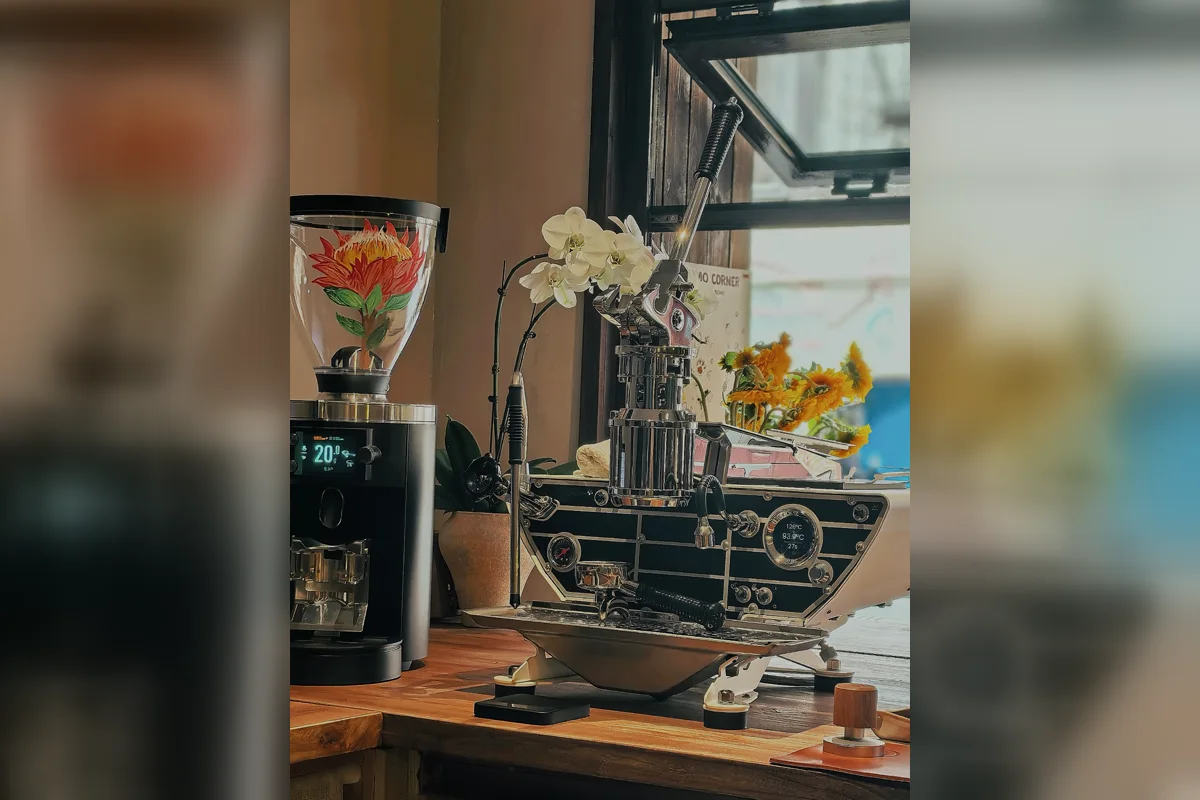
Premium reference: above USD 20,000
The lever-operated setup in the photograph retails above USD 20,000. It belongs in a premium conversation where design, theatre, finish and the complete bar setup matter. Before offering it, make sure the quote clearly states the machine, grinder, accessories, training, warranty and spare parts included.
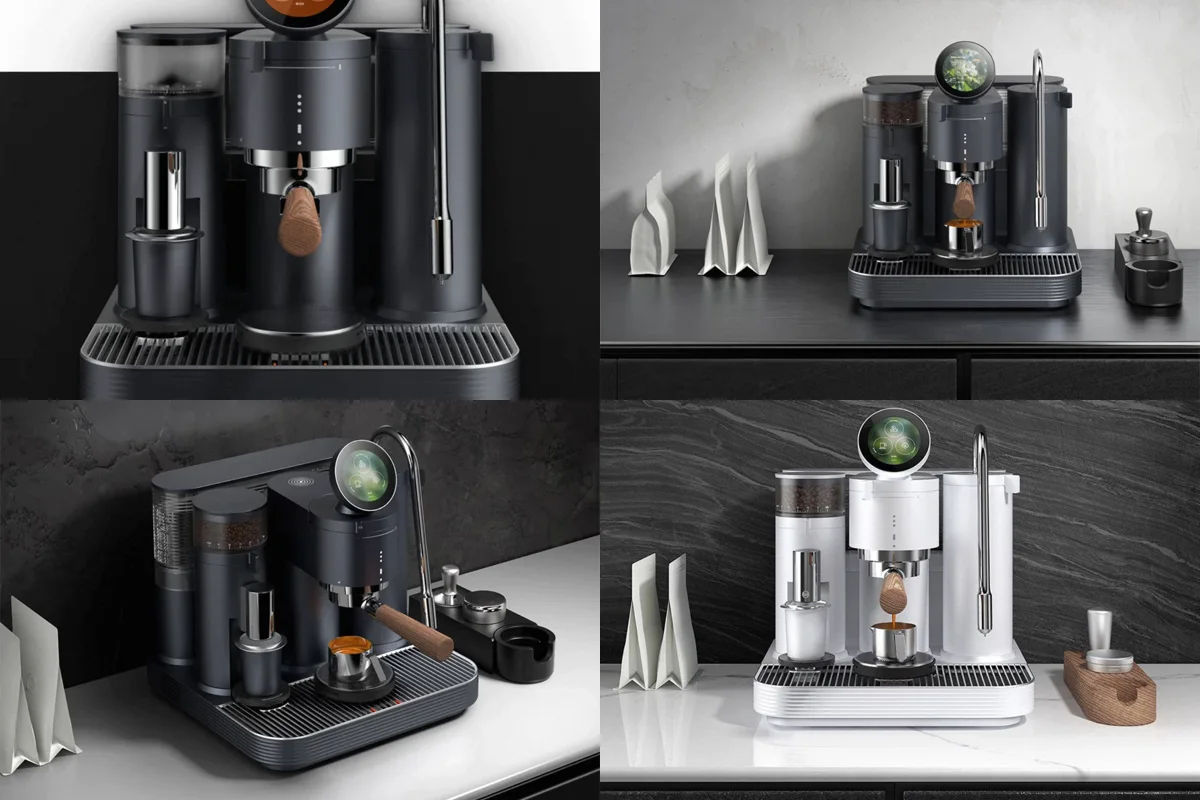
Mid-tier reference: around USD 6,000
The automatic machine shown in several views sits around USD 6,000. It may suit buyers who want a distinctive product without moving into the premium price band. Dealers should still compare the exact model, accessories and after-sales package.
For a fair margin comparison, put both offers on the same basis: trade terms, freight, tax, installation and warranty.
What to check before you quote a model
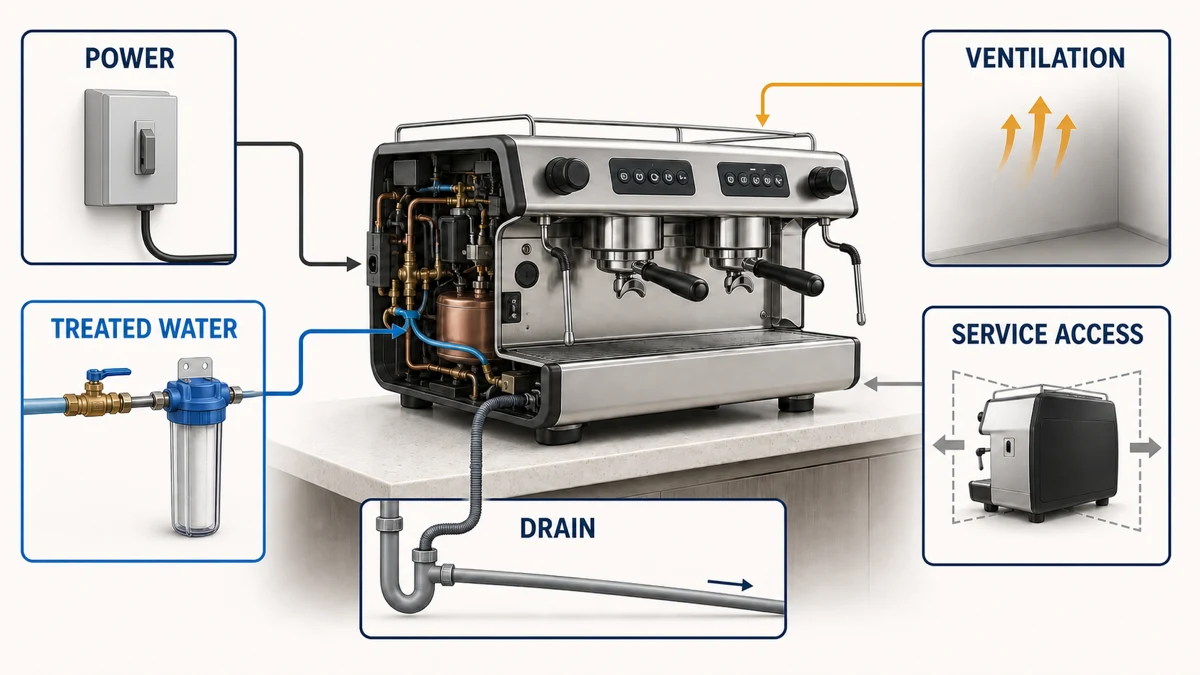
Use this table when comparing suppliers. If an answer is missing, get it before showing the machine to a customer.
| Question | What to ask for | Why it matters |
|---|---|---|
| Who will use it? | Outlet type, menu, busy-period workflow and operator skill | Keeps a light-duty machine out of a demanding café |
| Which machine will arrive? | Model code, revision, selected options and nameplate photo | Makes the production unit easier to match with the approved sample |
| Will it fit the site? | Power, water, drainage, ventilation, dimensions and service clearance | Lets the contractor prepare the counter before delivery |
| Can it handle the rush? | A test using the intended drinks, grinder, water and cleaning routine | Shows how the machine behaves in the dealer's real sales scenario |
| Can we service it? | Parts list, manuals, fault codes, training and first-order spares | Avoids waiting for every small part to arrive from China |
| Can we import and reorder it? | Saudi documents, packing data, lead time and model-change policy | Supports a repeatable offer instead of a one-off sample |
What Chinese specification sheets can—and cannot—tell you
A good specification sheet helps a dealer understand the installation before the machine reaches Saudi Arabia. Dr. Coffee, for example, publishes voltage, power, dimensions, water pressure and service-clearance information for its F2 platform. Jiangsu Amalfi lists boiler sizes, dimensions and weight for its CM500-2, while Huazell separates compact single-group machines from larger multi-boiler models.
The point is not which brand wins. It is whether every shortlisted machine comes with enough information for the dealer, installer and technician to make the same decision.
Check the Saudi import route before ordering
Saudi importers can use the Saber platform for product and shipment conformity services, while SASO lists coffee makers within its IECEE national recognition system. The exact route depends on the product classification and model. IEC 60335-2-75:2024 is a useful technical reference for commercial dispensing appliances, but the Saudi importer should check the final model and documents before shipment.
The machine is only half the offer
A dealer's reputation is tested after the sale, when a technician needs a part or a customer reports a fault. Ask the supplier:
- which parts are shared across the range;
- whether manuals and wiring diagrams match the shipped machine;
- which spare parts should be stocked locally;
- how warranty parts and model changes are handled;
- what happens to branding, territory and direct customer enquiries.
These points may not look exciting in a showroom, but they decide whether the second order is easier than the first.
Start small and learn from the first order
Choose one model for each customer group you genuinely serve. Check the specification, inspect the sample and test it with the grinder, water and drinks your customers will use. Photograph the nameplate, internal layout, accessories and packing so the production order can be checked against the same reference.
If the sales team cannot explain the differences or the technician cannot support the machine, do not add more models yet.
Ask DDNZ to compare a dealer-ready shortlist
If you are a Saudi importer, coffee-equipment dealer or café-project contractor, send DDNZ the customers you sell to, target retail price, destination city and expected first order. We can compare suitable China-based suppliers, show what each quotation includes and identify which machines need more technical work before you present them to buyers.